By Dr. Martin Aróstegui
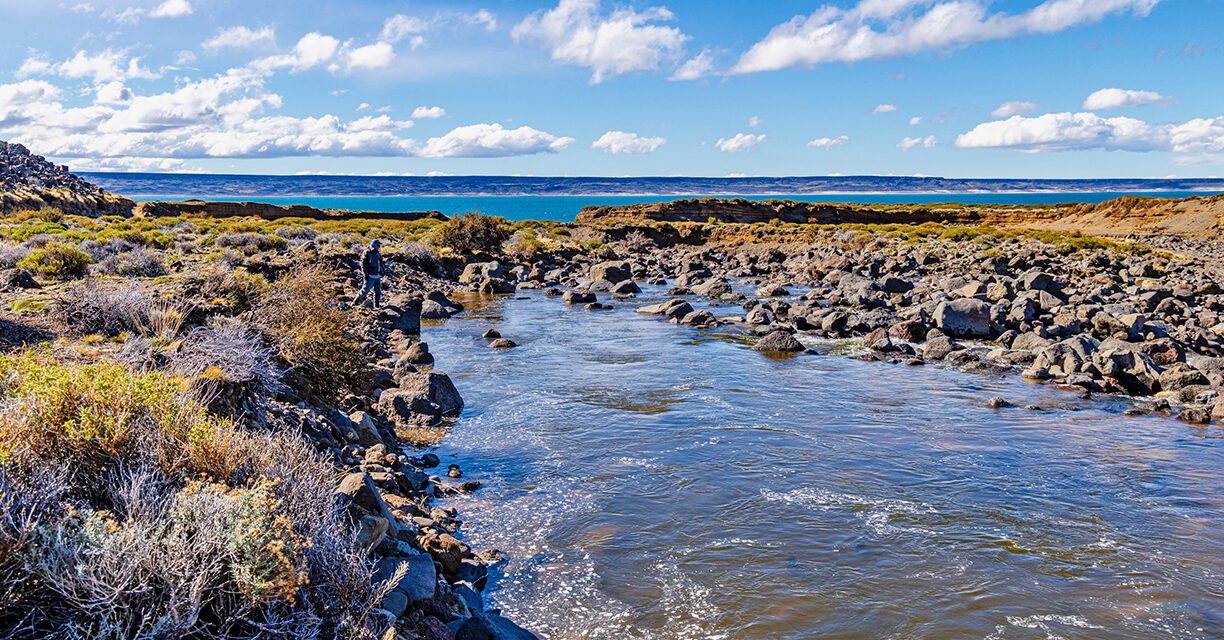
This past September, my wife Roberta and I traveled with a group of friends to the legendary Jurassic Lake Lodge in Patagonia, Argentina—a destination known worldwide for its incredible Rainbow Trout fishing. Each year, the crystalline waters of the Barrancoso River flow from the Andean foothills into the vast expanse of Lago Strobel, also known as Jurassic Lake. The river, though short, is powerful, cold, and clear, providing ideal conditions for trout to thrive. Yet this year, the river told a different story—one of transformation, power, and renewal.
In early January, an unusually strong rainstorm swept across the region, coinciding with the peak of the summer meltwater from the surrounding highlands. The result was a catastrophic flood that completely altered the Barrancoso River’s landscape. Torrents of rushing water poured through the valley, gathering force and debris, pushing rocks and sediment downstream. When nature unleashes such power, it does more than just change a river’s flow—it reshapes the land itself.
The flood erased one of the river’s most productive fishing pools, a spot long cherished by anglers for its steady flow and abundance of large, aggressive trout. In its place, a torrent of water had scoured a new path, carving deep channels and depositing massive boulders in unfamiliar places. What once was a tranquil, well-known stretch of river became an entirely new system of rapids, pools, and eddies. For many, the loss of a favorite fishing pool could be seen as a tragedy, but in Patagonia, where nature remains raw and untamed, such events are part of the land’s living cycle.
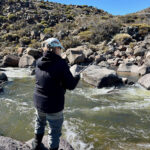
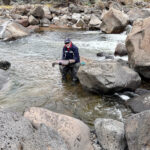
Rivers like the Barrancoso are sculptors of the Earth. Over millennia, floods and erosive forces cut deep canyons and shape entire ecosystems. When water levels rise dramatically, the river gains enough energy to lift and move rocks that would otherwise remain immobile. These rocks act as natural chisels, grinding against the riverbed and carving deeper channels. As the floodwaters recede, they leave behind new configurations—fresh pools, gravel bars, and side channels—each one providing new habitat for aquatic life.
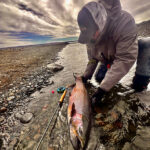
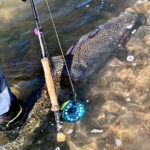
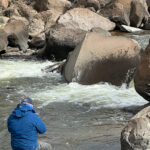
By the time we arrived in September, the Barrancoso had calmed, but the evidence of change was everywhere. Great boulders that once rested deep in the canyon had been relocated to new positions, forming new pools where Rainbow Trout had already begun to establish themselves. We explored these reformed areas and found them teeming with fish—bright, powerful Rainbows that reflected the resilience of nature itself. The fishing turned out to be remarkable, not in spite of the flood, but because of it.
This experience was a vivid reminder that rivers are not static. They live, breathe, and evolve through time. Floods, though destructive, are also creators—sculpting beauty through chaos. The Barrancoso River, reborn through the power of water, stands as a symbol of Patagonia’s wild spirit. As anglers, we were privileged witnesses to the ongoing story of the land—a story written not in words, but in stone, current, and the shimmering silver of trout beneath the surface.






















La inundación que transformó el río Barrancoso
Por el Dr. Martin Aróstegui
El pasado septiembre, mi esposa Roberta y yo viajamos con un grupo de amigos al legendario Jurassic Lake Lodge en la Patagonia argentina, un destino mundialmente conocido por la pesca de la increíble trucha arcoíris. Cada año, las aguas cristalinas del río Barrancoso fluyen desde las estribaciones andinas hacia la vasta extensión del Lago Strobel, también conocido como Lago Jurásico. El río, aunque corto, es caudaloso, frío y transparente, lo que proporciona las condiciones ideales para que la trucha prospere. Sin embargo, este año, el río contó una historia diferente: una de transformación, poder y renovación.
A principios de enero, una tormenta inusualmente fuerte azotó la región, coincidiendo con el punto álgido del deshielo estival de las tierras altas circundantes. El resultado fue una inundación catastrófica que alteró por completo el paisaje del río Barrancoso. Torrentes de agua se precipitaron por el valle, acumulando fuerza y escombros, arrastrando rocas y sedimentos río abajo. Cuando la naturaleza desata tal poder, no solo cambia el curso de un río, sino que transforma el paisaje mismo.
La inundación arrasó con una de las pozas de pesca más productivas del río, un lugar muy apreciado por los pescadores por su caudal constante y la abundancia de truchas grandes y combativas. En su lugar, un torrente de agua abrió un nuevo cauce, creando profundos canales y depositando enormes rocas en lugares desconocidos. Lo que antes era un tramo de río tranquilo y conocido se convirtió en un sistema completamente nuevo de rápidos, pozas y remolinos. Para muchos, la pérdida de una poza de pesca predilecta podría considerarse una tragedia, pero en la Patagonia, donde la naturaleza permanece en estado puro e indómito, estos eventos forman parte del ciclo vital de la tierra.
Ríos como el Barrancoso son escultores de la Tierra. Durante milenios, las inundaciones y la erosión han labrado profundos cañones y moldeado ecosistemas enteros. Cuando el nivel del agua sube drásticamente, el río adquiere la energía suficiente para levantar y mover rocas que de otro modo permanecerían inmóviles. Estas rocas actúan como cinceles naturales, erosionando el lecho del río y creando canales más profundos. Al retroceder las aguas, dejan tras de sí nuevas configuraciones: pozas, bancos de grava y canales laterales, cada uno ofreciendo un nuevo hábitat para la vida acuática.
Cuando llegamos en septiembre, el Barrancoso se había calmado, pero las huellas del cambio eran evidentes. Grandes rocas que antes yacían en lo profundo del cañón habían sido reubicadas, formando nuevas pozas donde la trucha arcoíris ya había comenzado a establecerse. Exploramos estas áreas reformadas y las encontramos repletas de peces: brillantes y poderosas truchas arcoíris que reflejaban la resiliencia de la naturaleza misma. La pesca resultó ser extraordinaria, no a pesar de la inundación, sino gracias a ella.
Esta experiencia fue un vívido recordatorio de que los ríos no son estáticos. Viven, respiran y evolucionan con el tiempo. Las inundaciones, aunque destructivas, también son creadoras: esculpen belleza a través del caos. El río Barrancoso, renacido gracias al poder del agua, se erige como símbolo del espíritu indómito de la Patagonia. Como pescadores, fuimos testigos privilegiados de la historia continua de la tierra: una historia escrita no con palabras, sino con piedra, corriente y el plateado brillo de las truchas bajo la superficie.