By Dr. Martin Aróstegui
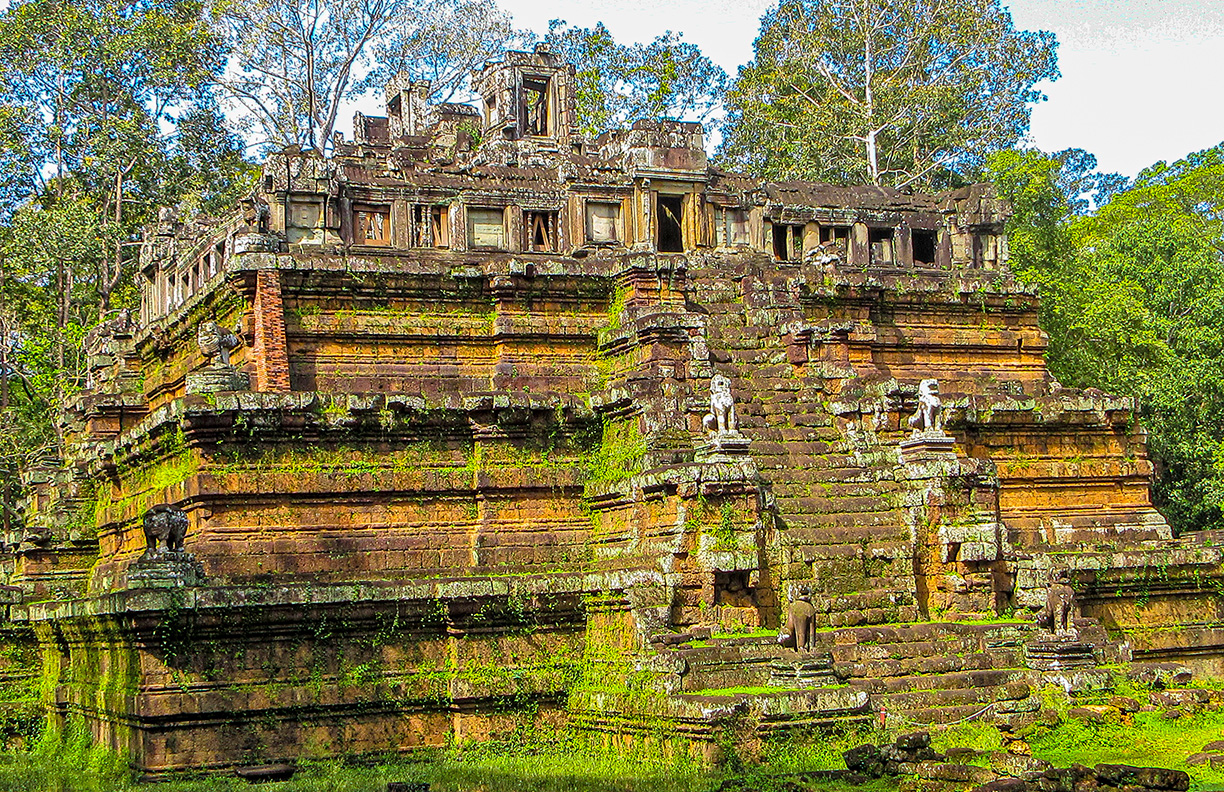
My journey through Cambodia reads like a quiet pilgrimage through time, and the temples I visited—Angkor Thom, the Bayon (often called “Baton”) Temple, Ta Prohm, and Angkor Wat—form a sequence that reveals both the spiritual depth and artistic genius of the Khmer civilization.
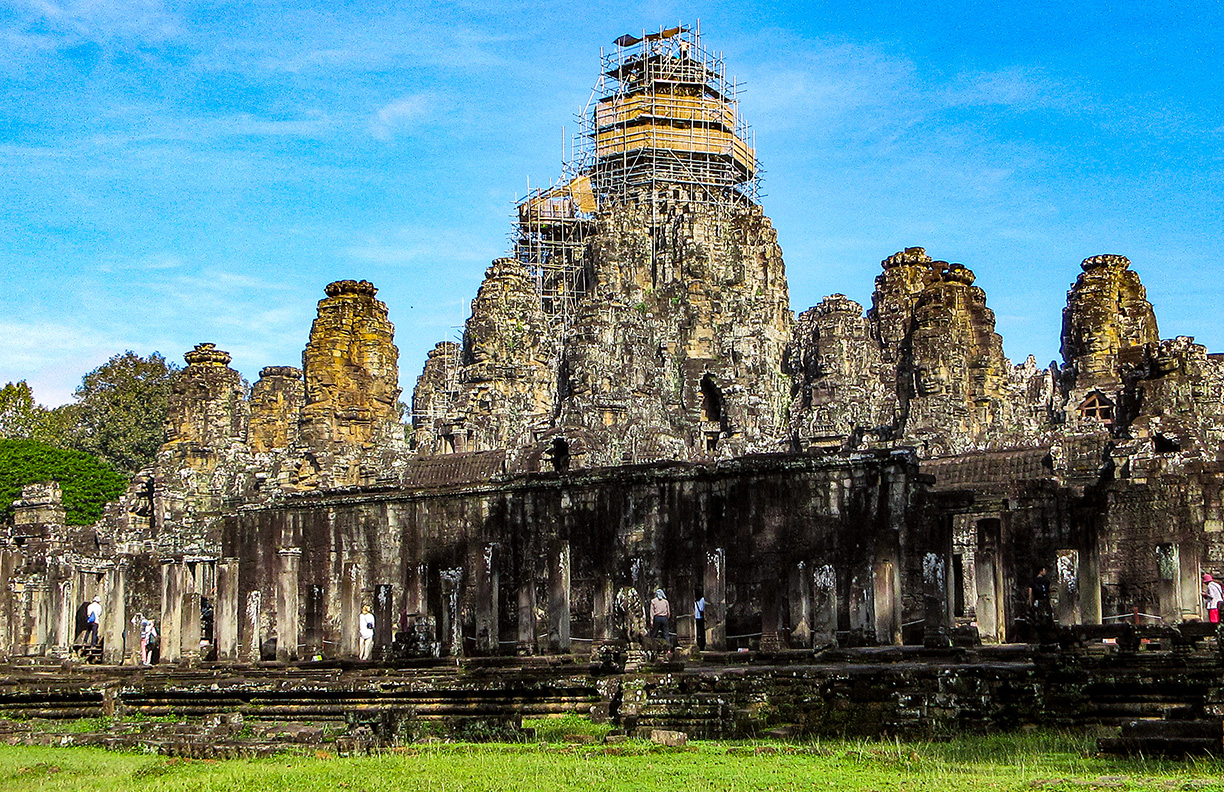
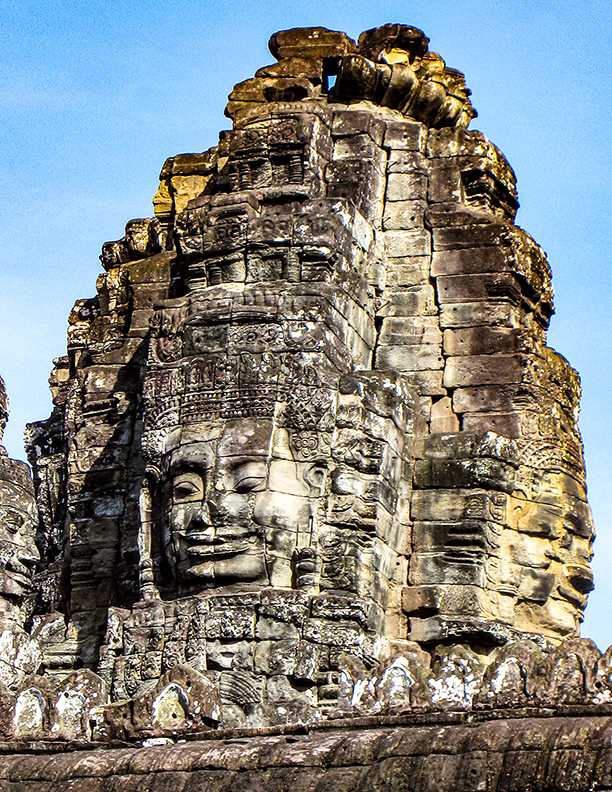
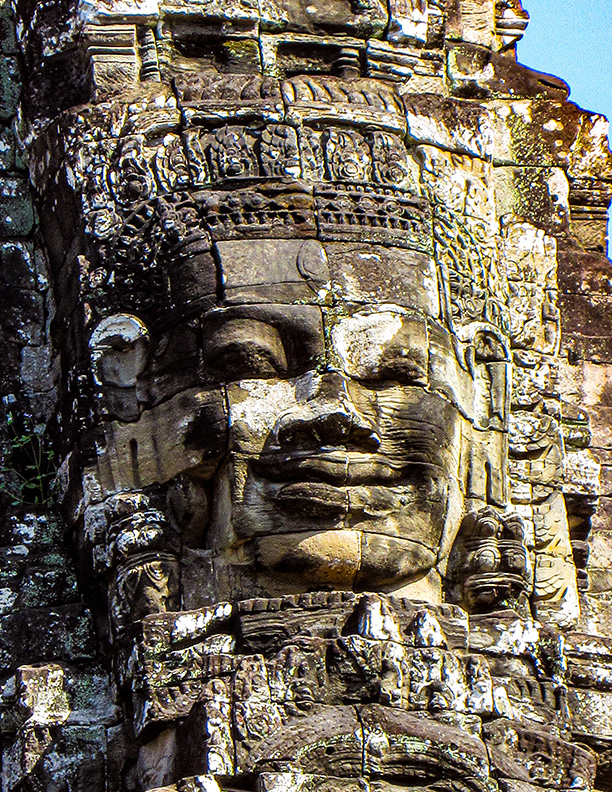
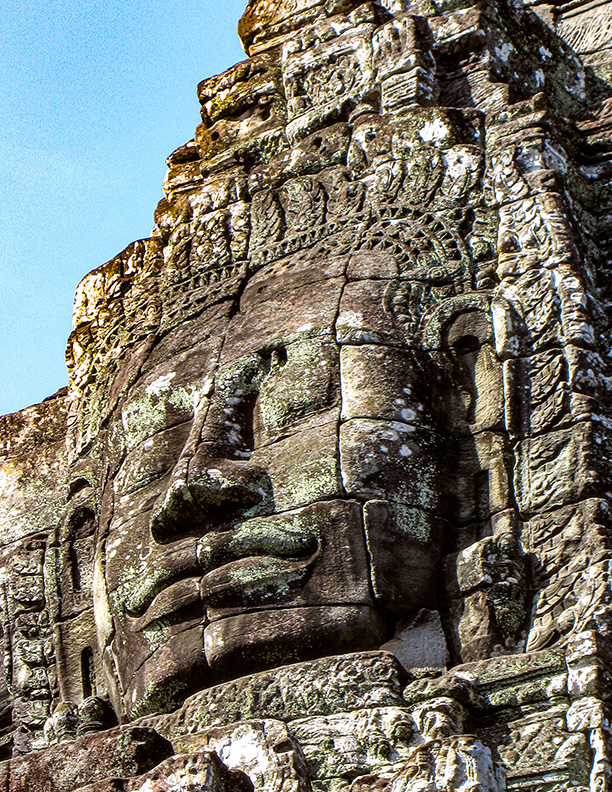
My visit to Angkor Thom introduced me to what was once the great capital of the Khmer Empire, a vast walled city built in the late 12th century under King Jayavarman VII. At its heart stands the Bayon Temple, a structure that feels both monumental and intimate. The moment you encounter its iconic stone faces, calmly gazing in all directions, it is impossible not to feel observed by history itself. These serene expressions, carved into towering stone towers, embody the Buddhist ideal of compassion and mindfulness. As I walked among them, I was not simply visiting ruins, I was standing within a spiritual vision carved in stone, where religion, kingship, and daily life once merged seamlessly.
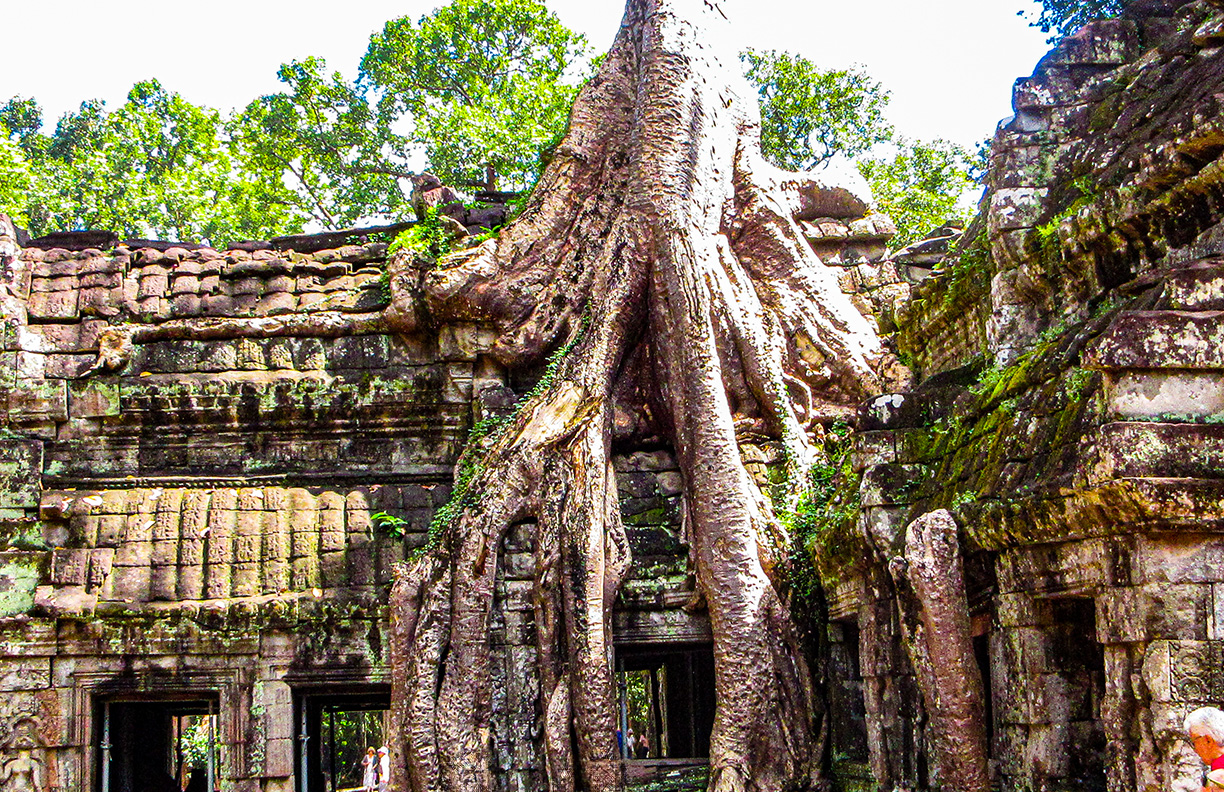
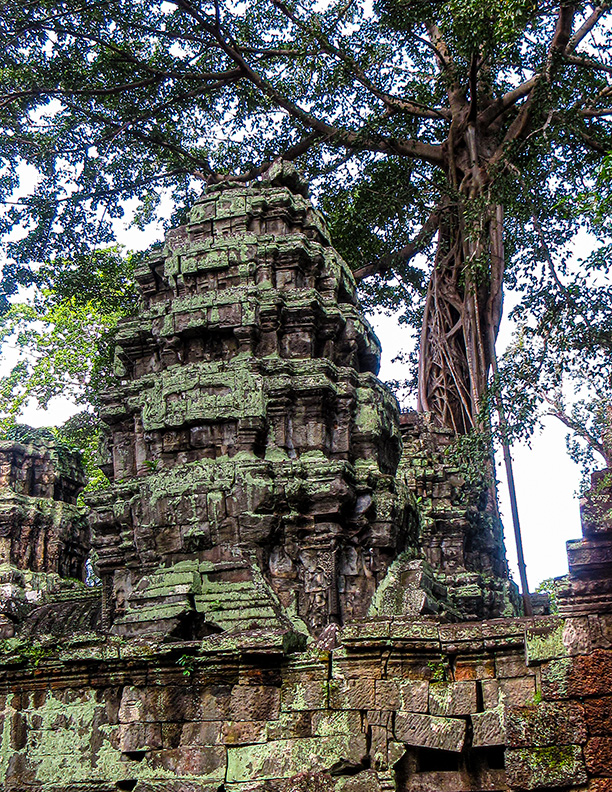
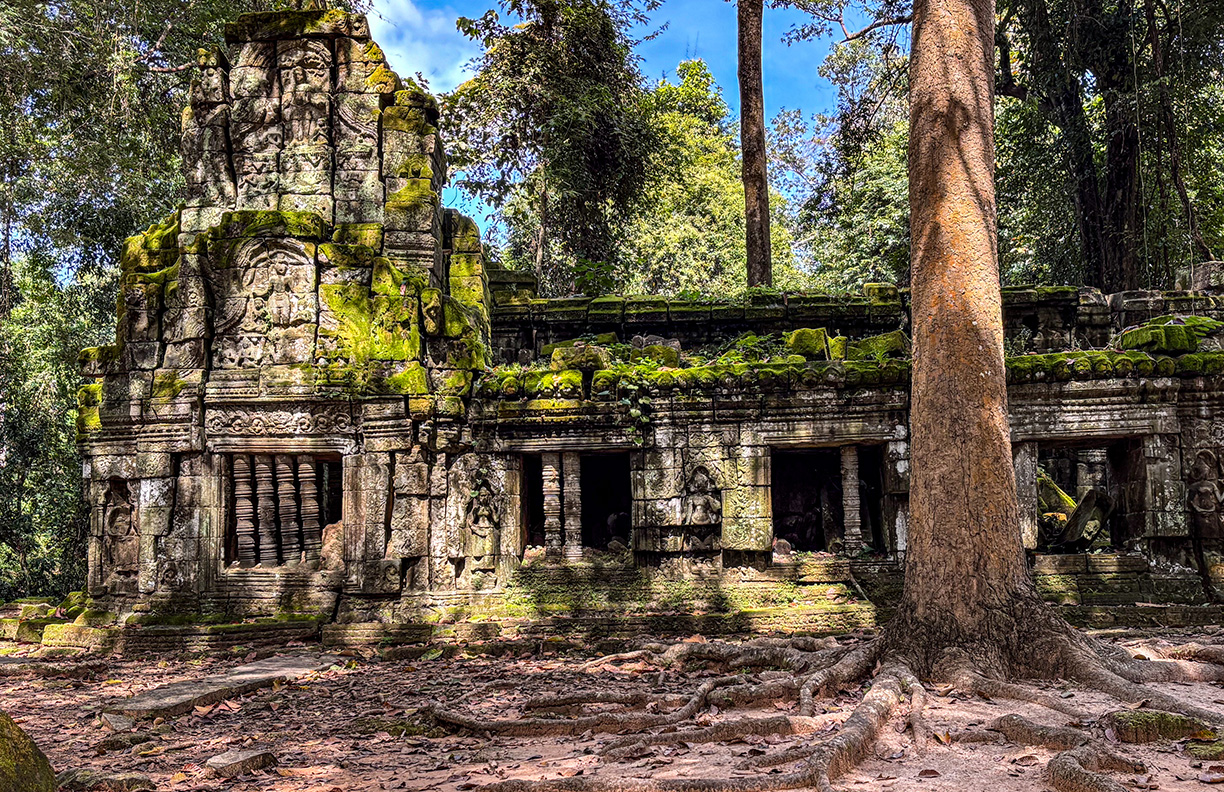
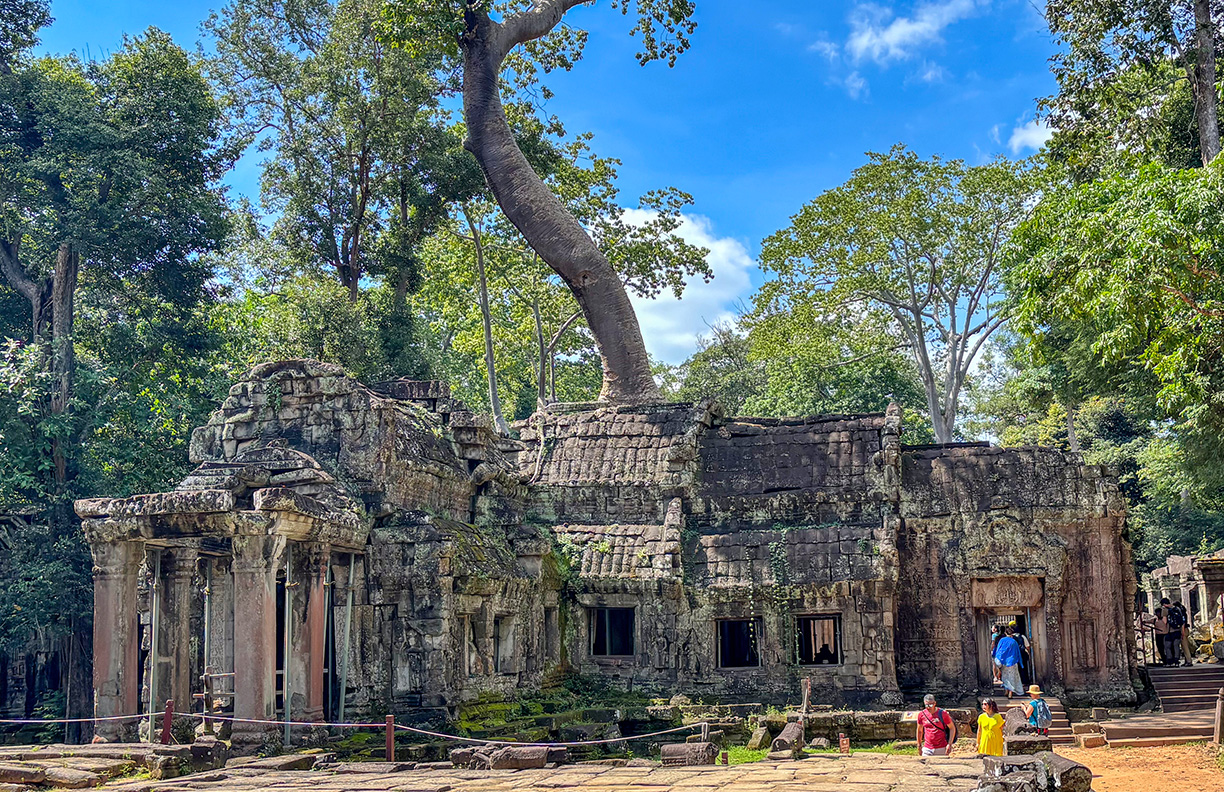
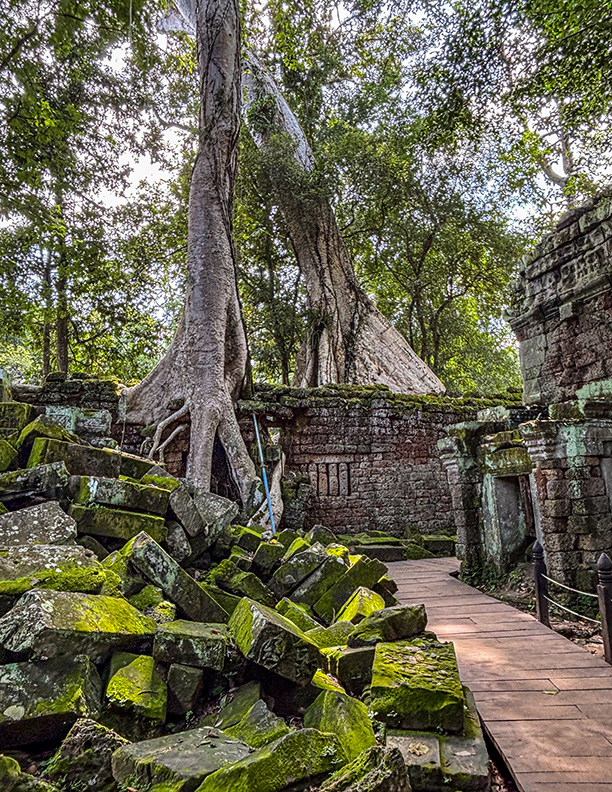
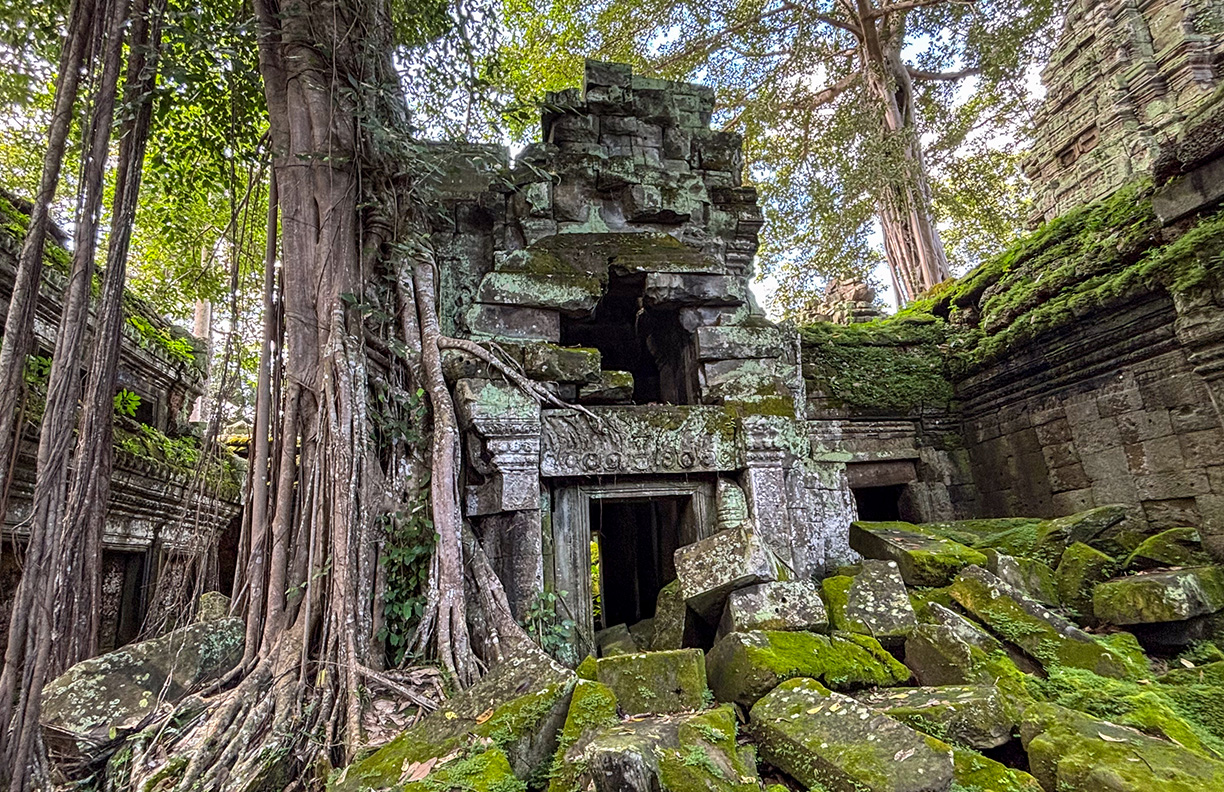
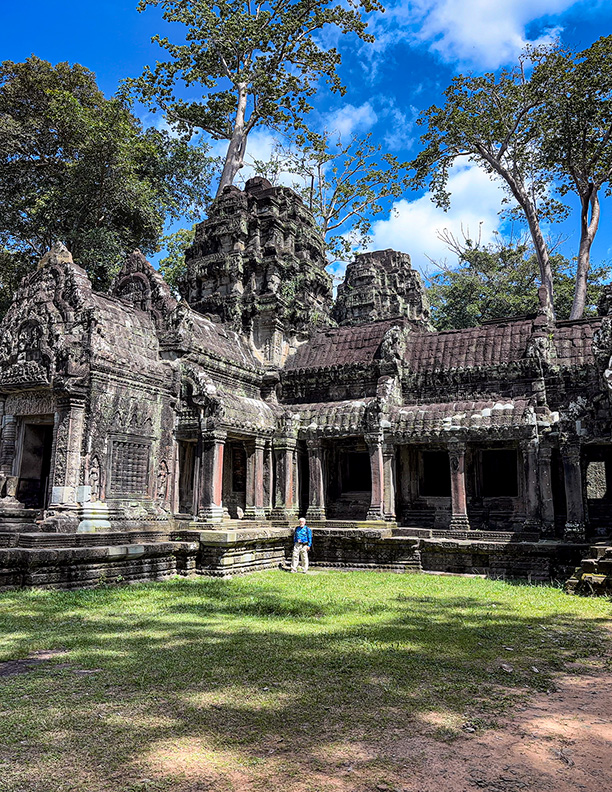
A short walk broughtme to Ta Prohm, a temple that offers a striking contrast. Unlike many restored monuments, Ta Prohm has been deliberately left in a semi-wild state, allowing massive tree roots to entwine with walls and doorways. Our comprehensive walking tour there felt like a dialogue between nature and architecture. The stones, softened by centuries, and the trees, relentless in their growth, create an atmosphere that is both haunting and beautiful. Ta Prohm makes visible the passage of time in a way few places can—it is a reminder that even the grandest human achievements eventually return to the embrace of the natural world.
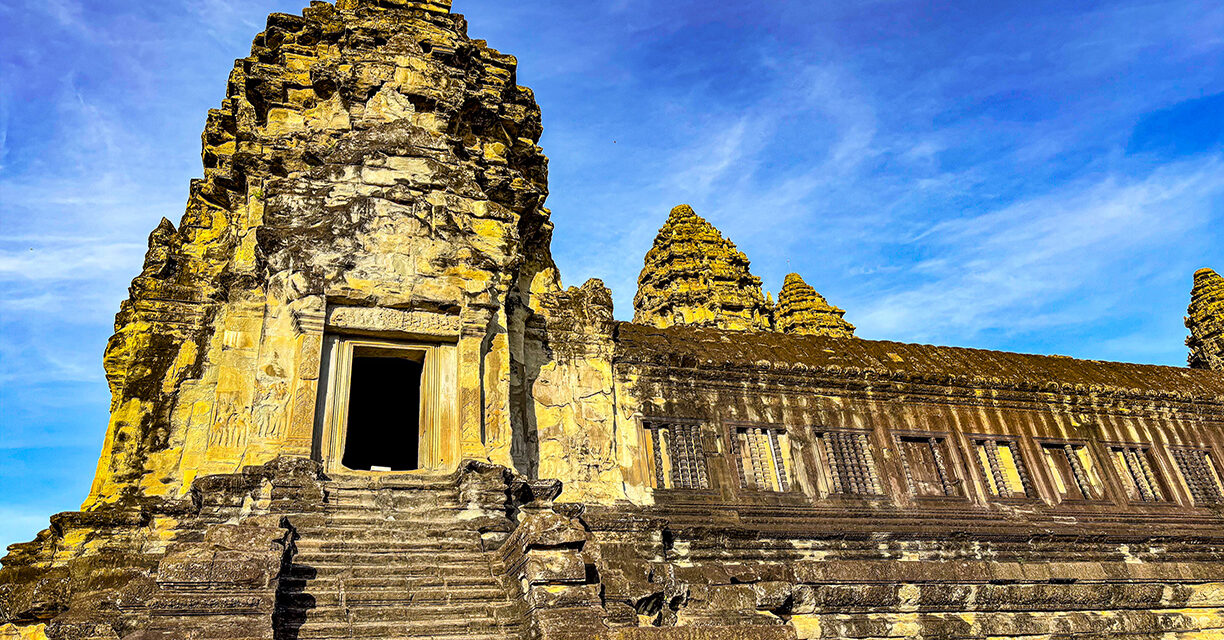
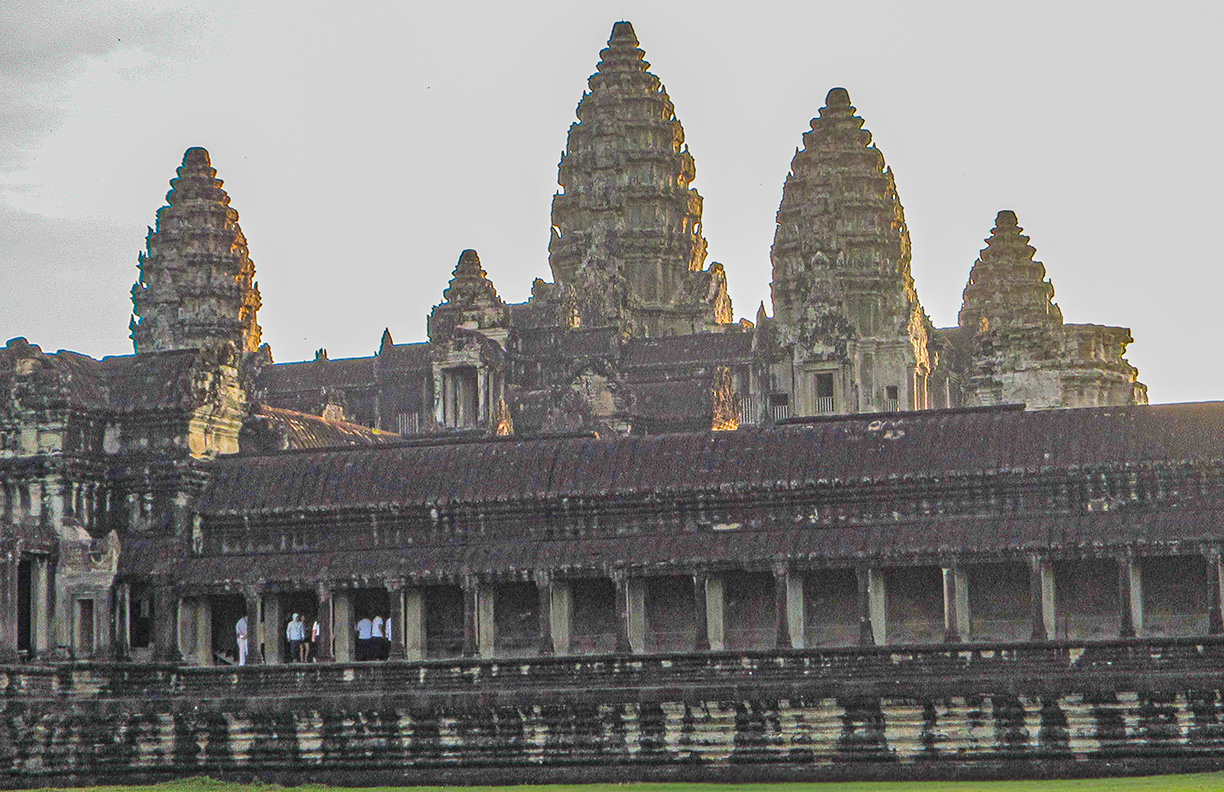
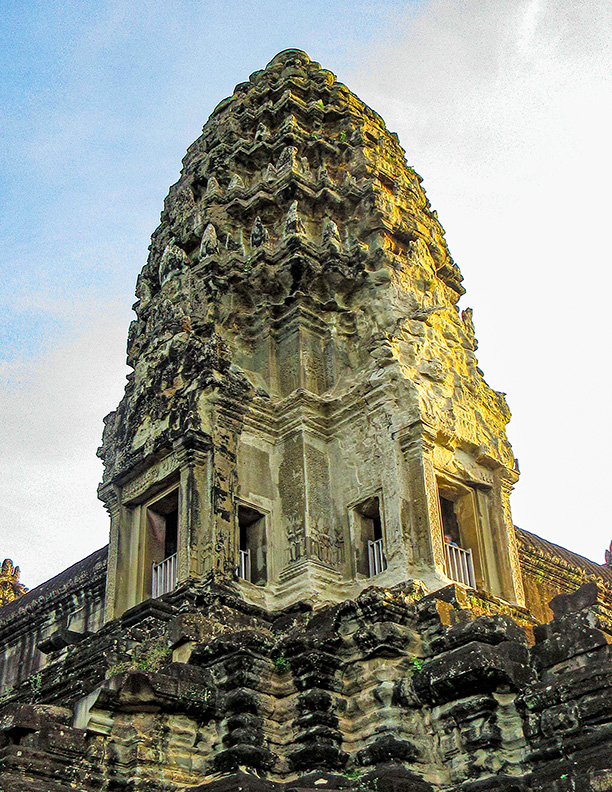
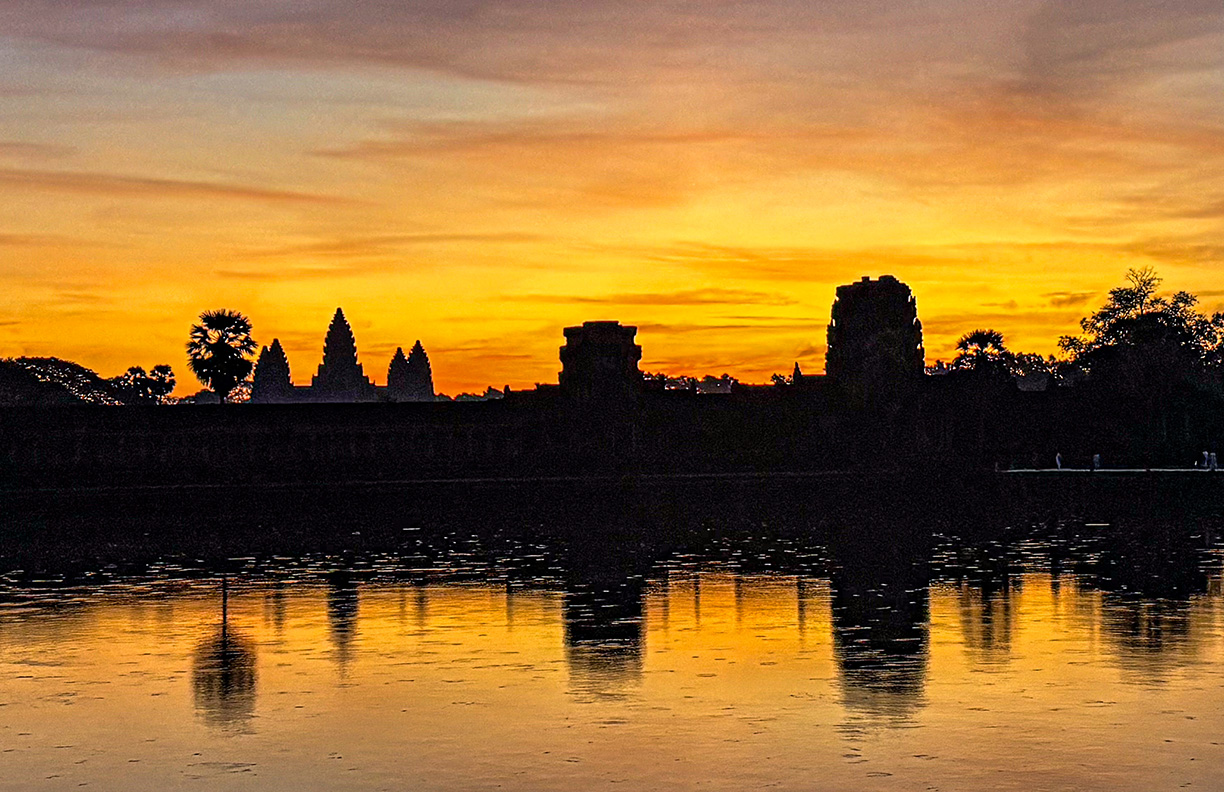
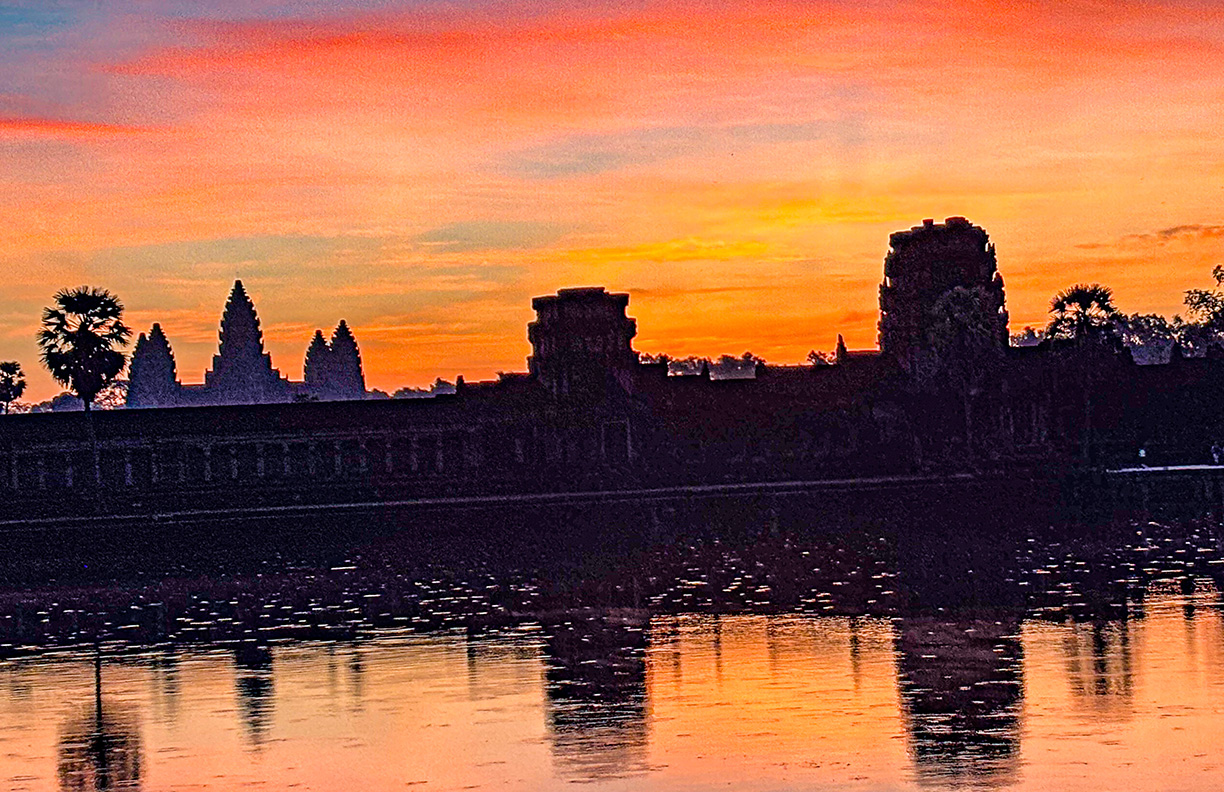
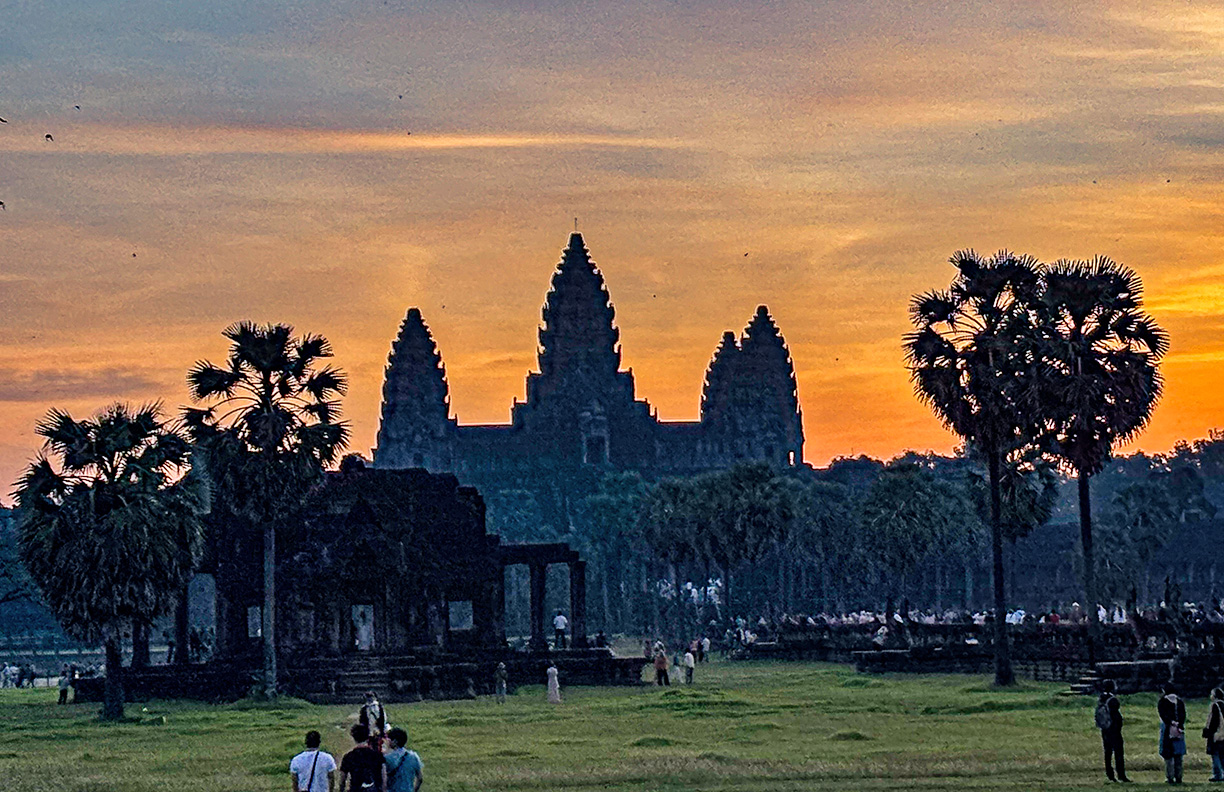
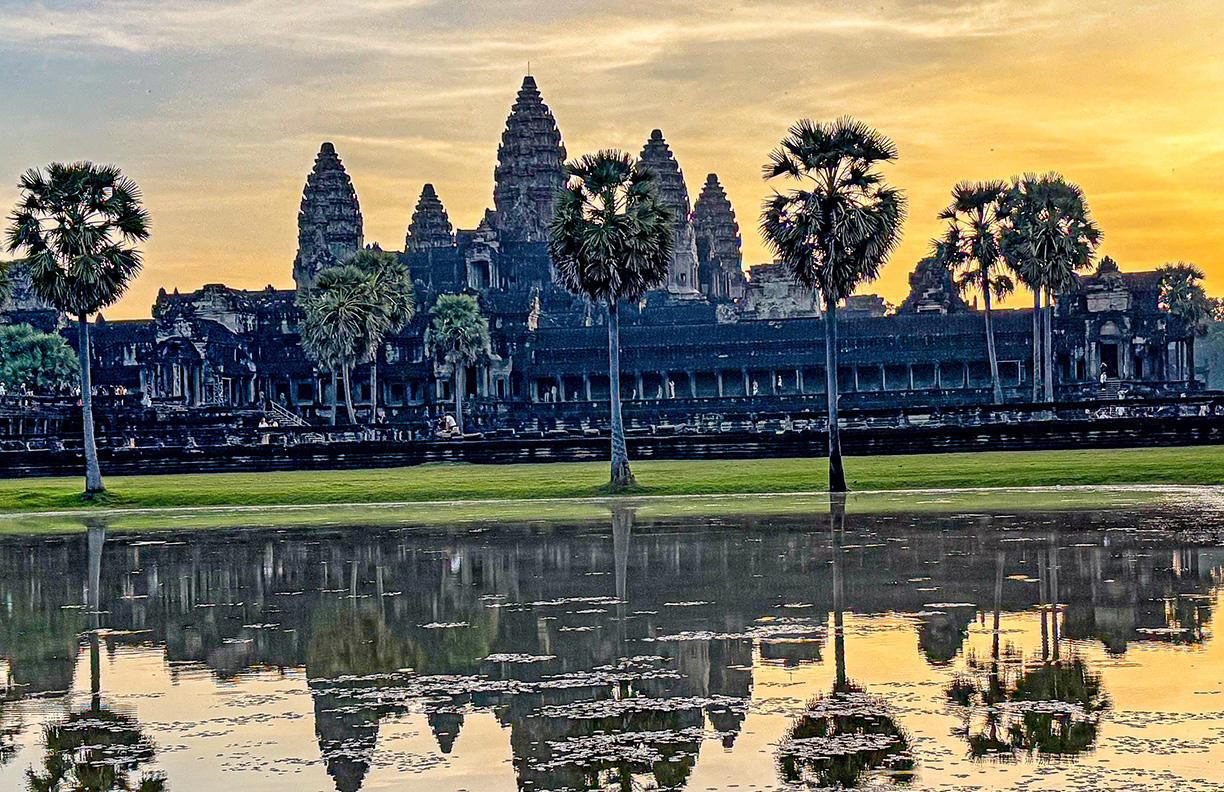
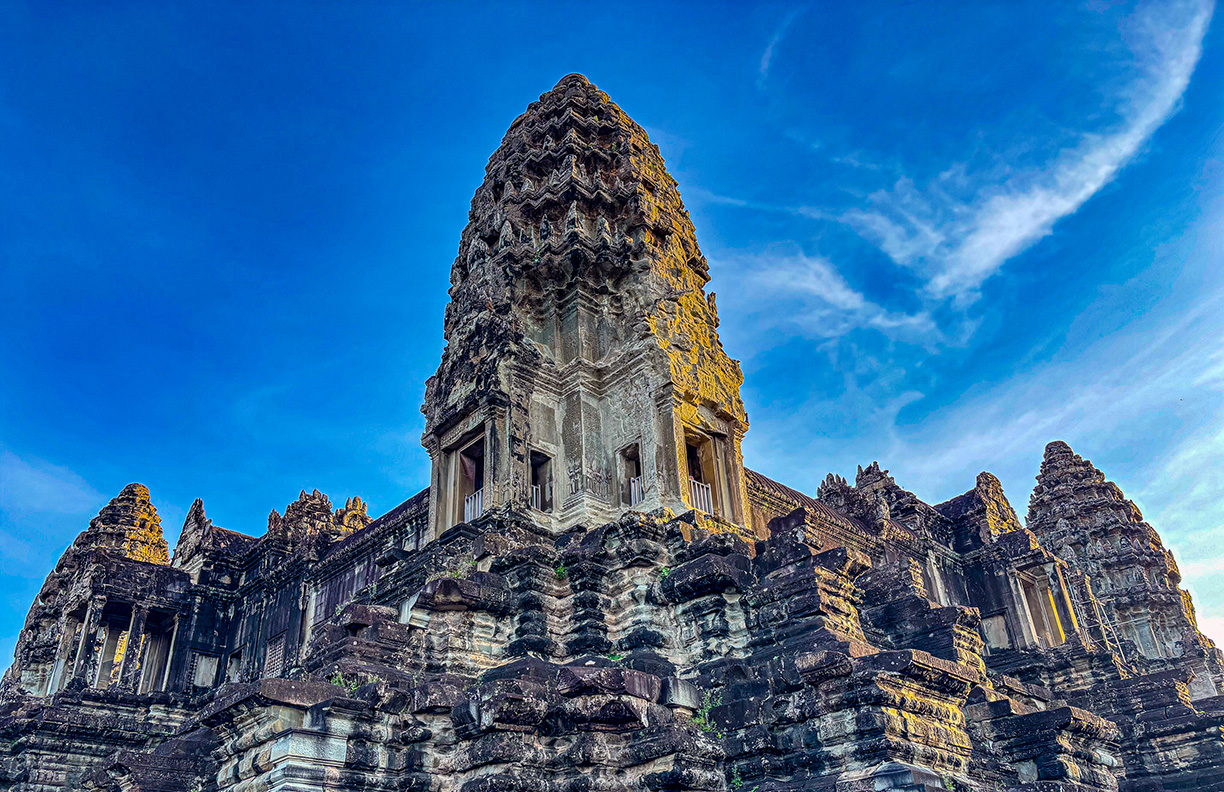
The following morning’s journey before sunrise to Angkor Wat stands apart as a moment of pure awe. Approaching the temple in the pre-dawn darkness, I witnessed a sunrise so magnificent that it has remained etched in my memory. As light slowly revealed the temple’s perfectly balanced towers reflected in the surrounding moat, Angkor Wat emerged not just as a monument, but as a cosmic symbol. Originally dedicated to the Hindu god Vishnu and later transformed into a Buddhist site, Angkor Wat represents the universe itself, with its central tower symbolizing Mount Meru, the axis of the cosmos.
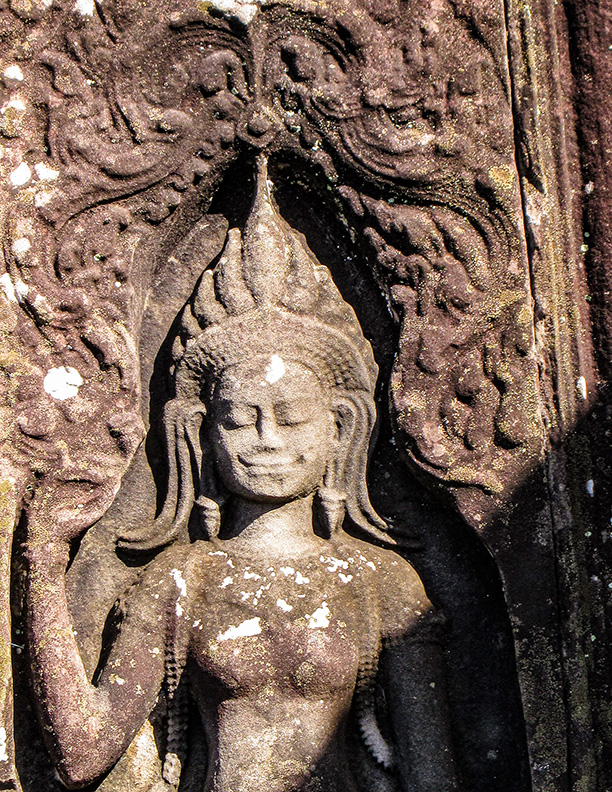
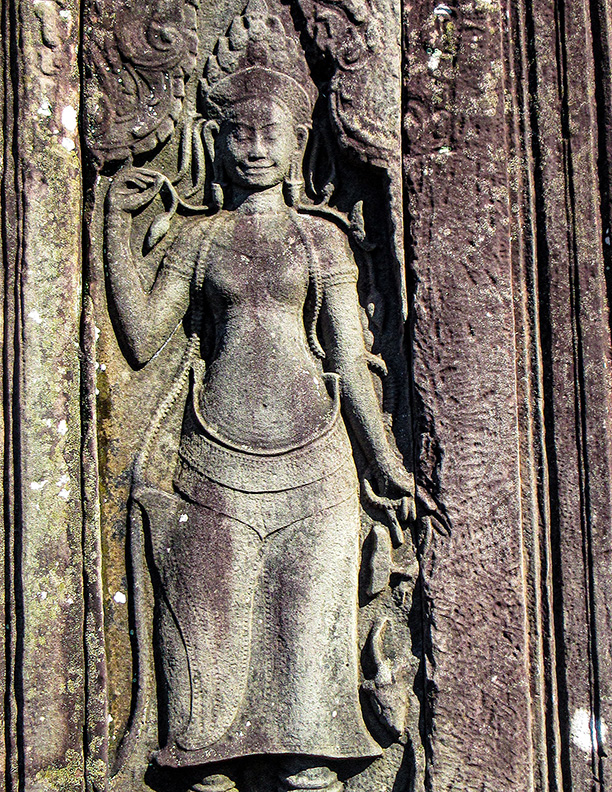
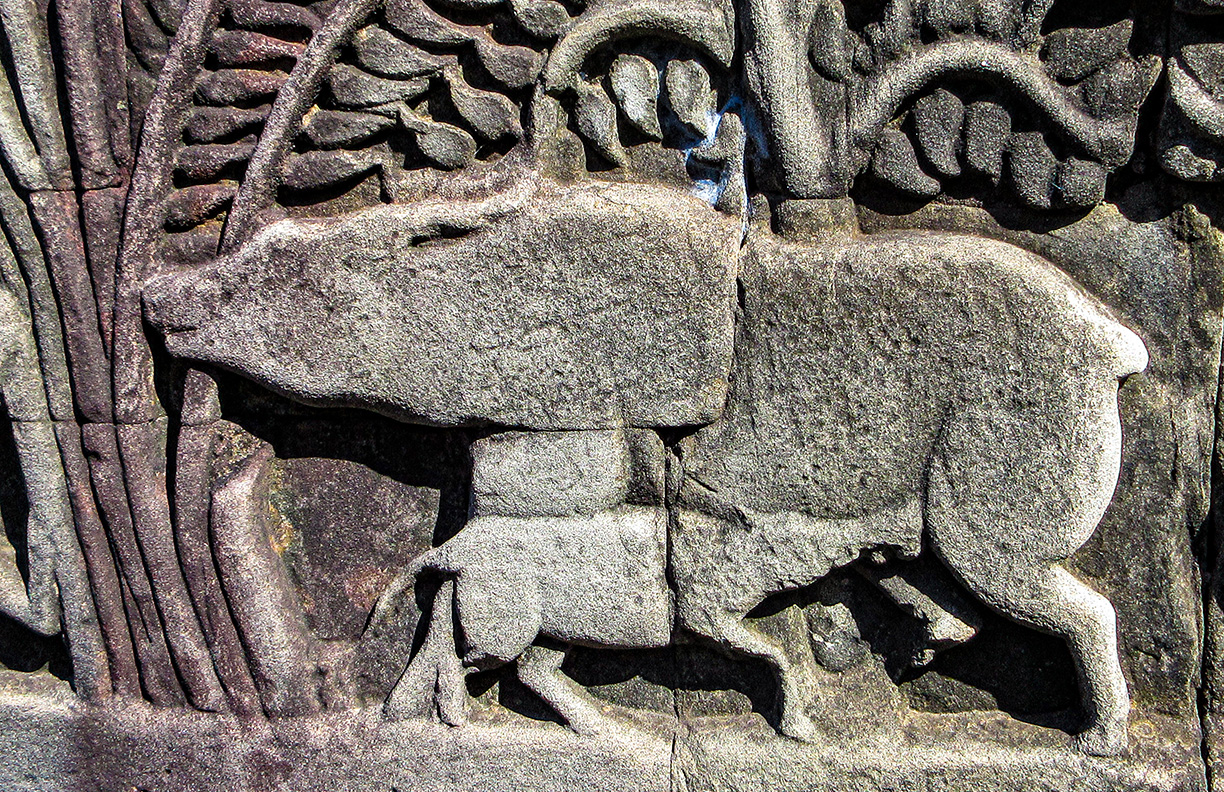
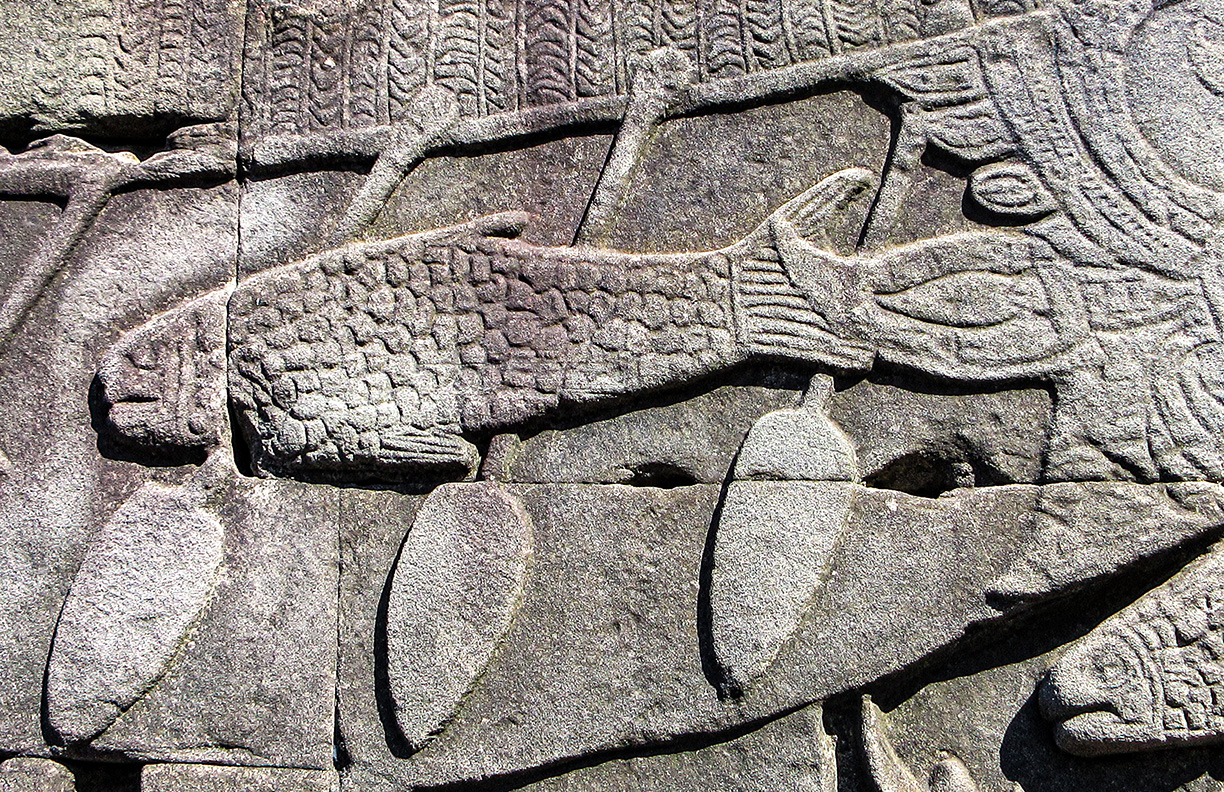
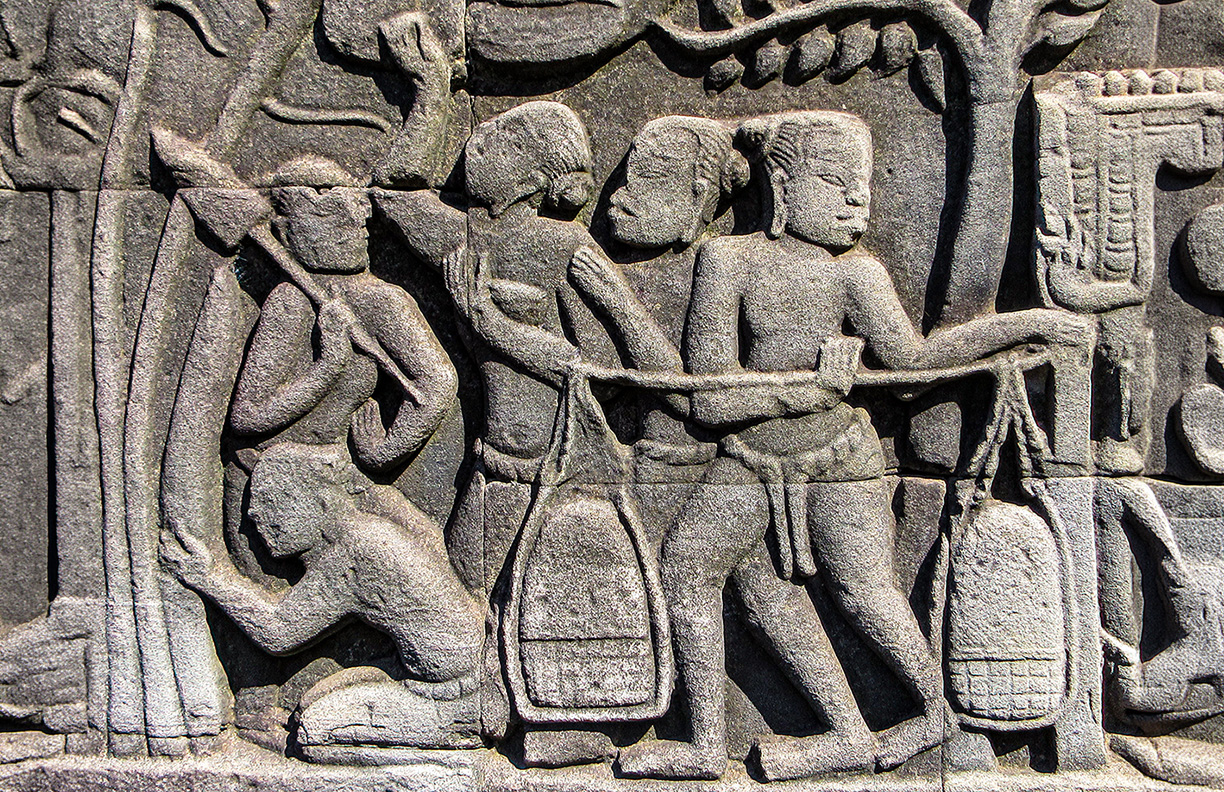
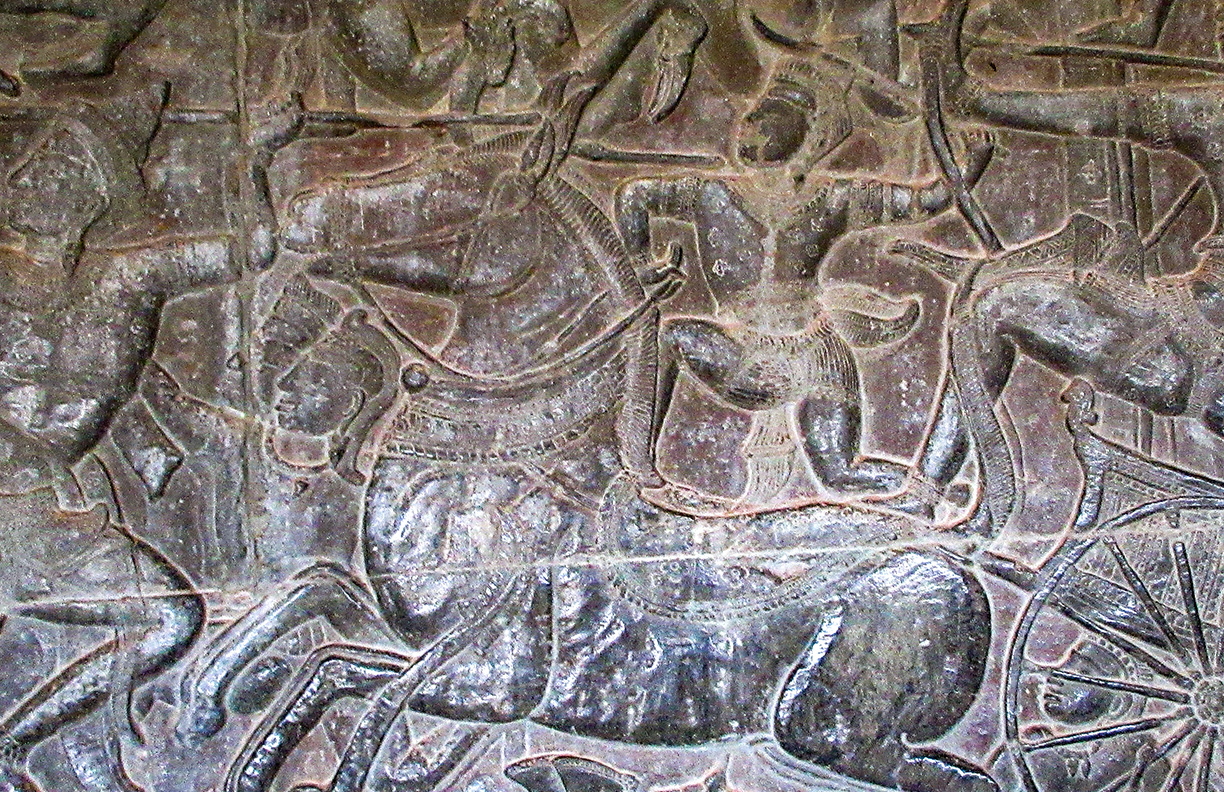
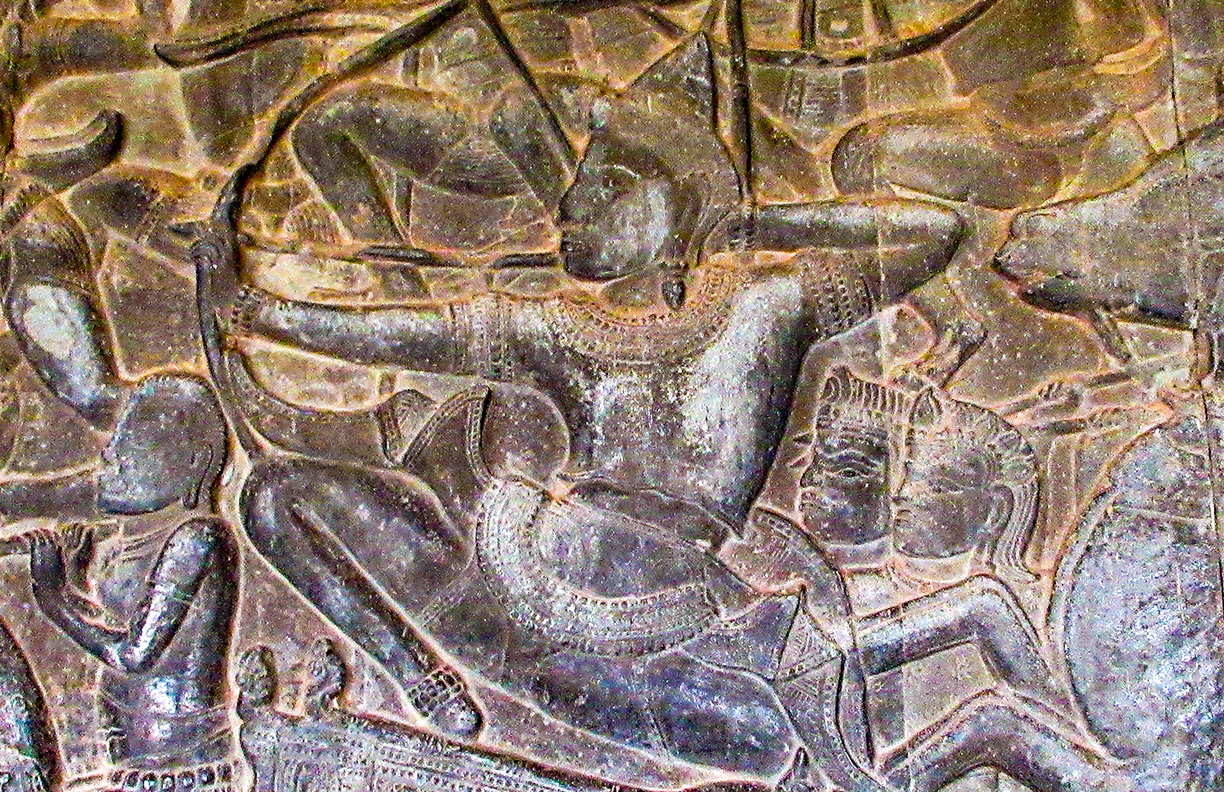
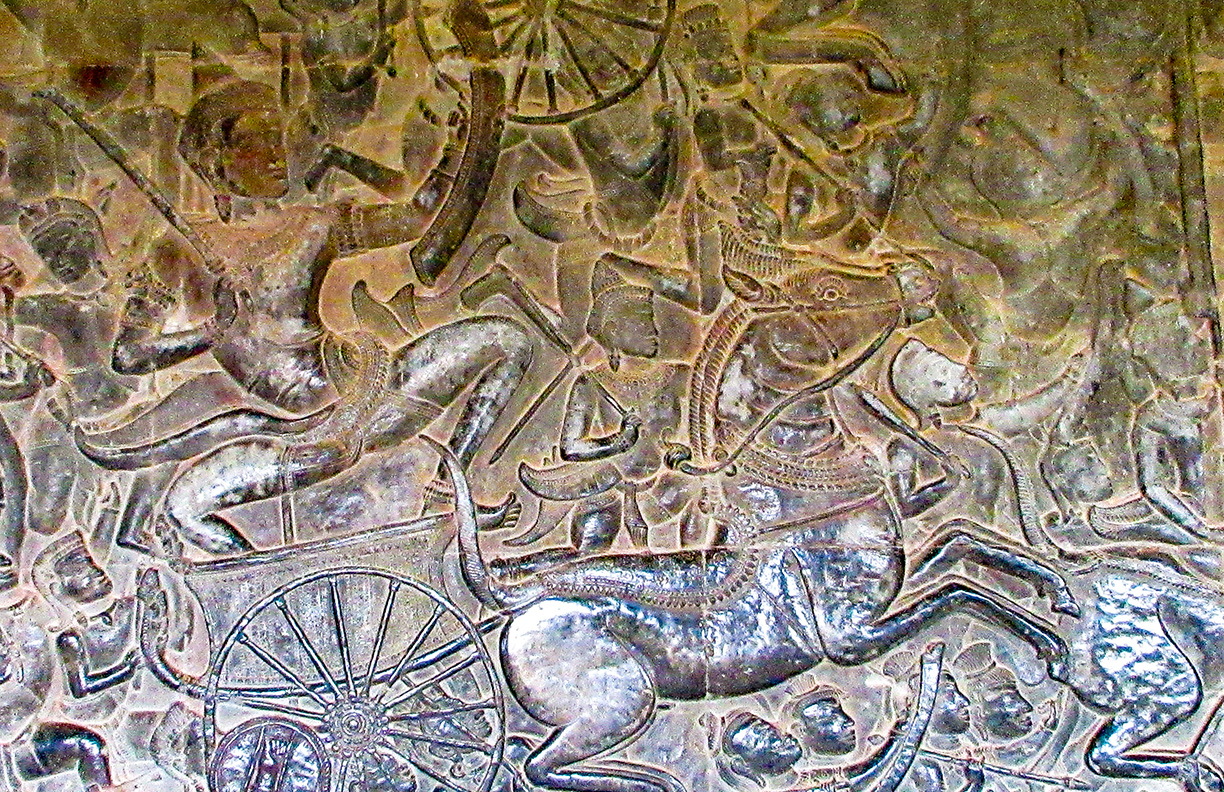
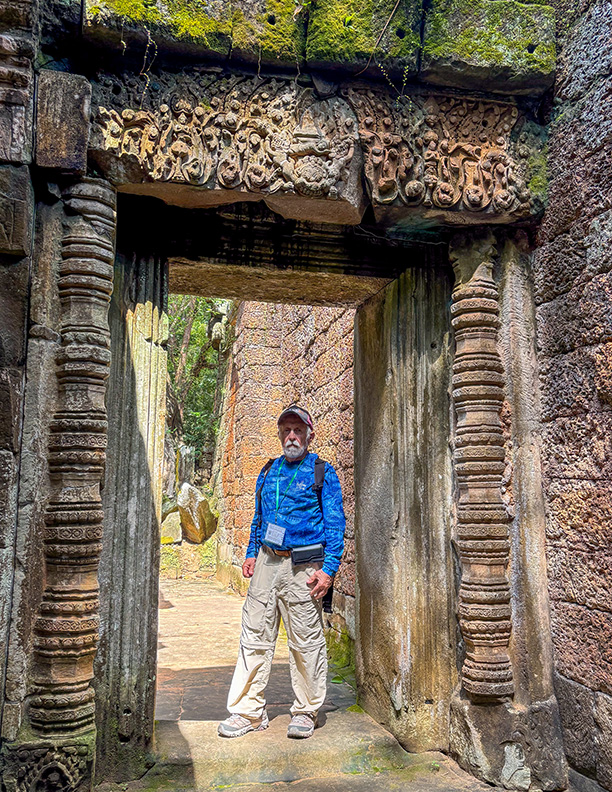
Throughout our visits, I was especially fascinated by the stone carvings lining the walls of these temples. These bas-reliefs are more than decoration; they are historical records and spiritual teachings rendered in stone. Scenes of celestial dancers, epic battles, and everyday life unfold with astonishing detail, offering insight into the beliefs, rituals, and values of the Khmer people. Standing before these carvings, one senses the patience and devotion of the artisans who transformed stone into storytelling.
Together, these temples form a powerful narrative—of faith, artistry, and endurance. Our experience in Cambodia was not merely sightseeing, but a profound encounter with a civilization that continues to speak through stone, silence, and light.
Los antiguos templos budistas de Camboya
Por el Dr. Martin Aróstegui
Mi viaje por Camboya se asemejó a una serena peregrinación a través del tiempo y los templos que visité —Angkor Thom, el templo Bayon (a menudo llamado «Baton»), Ta Prohm y Angkor Wat— forman una secuencia que revela tanto la profundidad espiritual como el genio artístico de la civilización Khmer.
Mi visita a Angkor Thom me presentó lo que alguna vez fue la gran capital del Imperio Khmer, una vasta ciudad amurallada construida a finales del siglo XII bajo el reinado de Jayavarman VII. En su corazón se alza el templo Bayon, una estructura que resulta a la vez monumental e íntima. En el momento en que uno se encuentra con sus icónicos rostros de piedra, que contemplan serenamente en todas direcciones, es imposible no sentirse observado por la historia misma. Estas expresiones serenas, talladas en imponentes torres de piedra, encarnan el ideal budista de compasión y atención plena. Mientras caminaba entre ellas, no solo visitaba ruinas, sino que me encontraba dentro de una visión espiritual tallada en piedra, donde la religión, la realeza y la vida cotidiana se fusionaban a la perfección.
Una corta caminata me llevó a Ta Prohm, un templo que ofrece un contraste sorprendente. A diferencia de muchos monumentos restaurados, Ta Prohm se ha dejado deliberadamente en un estado semisalvaje, permitiendo que las enormes raíces de los árboles se entrelacen con los muros y las puertas. Nuestro recorrido a pie por el lugar se sintió como un diálogo entre la naturaleza y la arquitectura. Las piedras, suavizadas por los siglos, y los árboles, implacables en su crecimiento, crean una atmósfera a la vez inquietante y hermosa. Ta Prohm hace visible el paso del tiempo de una manera que pocos lugares logran: es un recordatorio de que incluso los mayores logros humanos finalmente regresan al abrazo del mundo natural.
El viaje de la mañana siguiente, antes del amanecer, a Angkor Wat, se destaca como un momento de pura admiración. Al acercarme al templo en la oscuridad previa al amanecer, presencié un amanecer tan magnífico que ha quedado grabado en mi memoria. A medida que la luz revelaba lentamente las torres perfectamente equilibradas del templo, reflejadas en el foso circundante, Angkor Wat emergió no solo como un monumento, sino como un símbolo cósmico. Originalmente dedicado al dios hindú Vishnu y posteriormente transformado en un sitio budista, Angkor Wat representa el universo mismo, con su torre central simbolizando el Monte Meru, el eje del cosmos.
A lo largo de nuestras visitas, me fascinaron especialmente las tallas de piedra que recubren las paredes de estos templos. Estos bajorrelieves son más que simples decoraciones; Son registros históricos y enseñanzas espirituales plasmadas en piedra. Escenas de bailarinas celestiales, batallas épicas y la vida cotidiana se despliegan con asombroso detalle, ofreciendo una visión profunda de las creencias, los rituales y los valores del pueblo jemer. Ante estas tallas, se percibe la paciencia y la devoción de los artesanos que transformaron la piedra en narración.
Juntos, estos templos conforman una poderosa narrativa de fe, arte y perseverancia. Nuestra experiencia en Camboya no fue simplemente un viaje turístico, sino un encuentro profundo con una civilización que sigue hablando a través de la piedra, el silencio y la luz.