By Dr. Martin Aróstegui
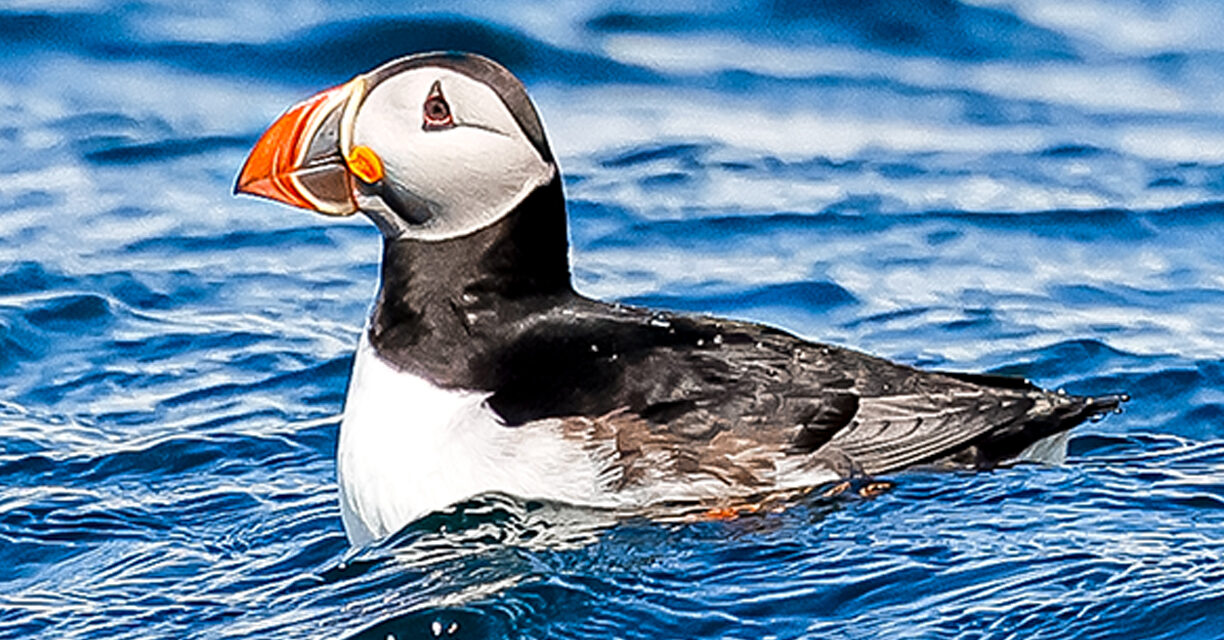
Few birds capture the imagination of visitors to Iceland quite like the Atlantic puffin. With its distinctive black-and-white plumage, brightly colored beak, and almost comical appearance, the puffin has become one of the country’s most beloved wildlife symbols. Every spring and summer, millions of these remarkable seabirds return from the open Atlantic Ocean to nest along Iceland’s rugged cliffs and offshore islands, making the country home to approximately sixty percent of the world’s Atlantic puffin population.
Puffins are exceptional seabirds, spending most of their lives at sea and coming ashore only to breed. They dig burrows in grassy hillsides or nest in rocky crevices, where they raise a single chick, affectionately known as a «puffling.» Both parents share the responsibility of incubating the egg and feeding the growing chick. Their diet consists primarily of small fish such as sand eels and capelin, and they are famous for their ability to carry multiple fish crosswise in their colorful beaks during a single hunting trip.
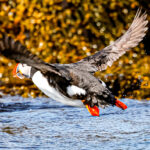
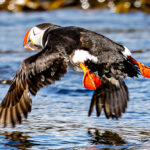
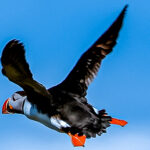
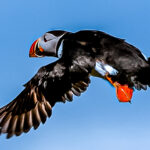
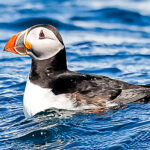
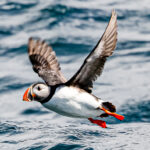
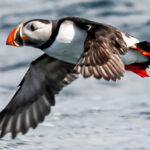
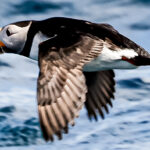
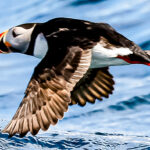
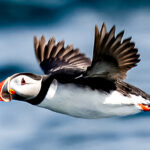
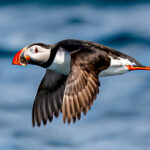
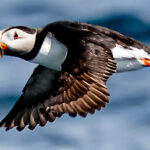
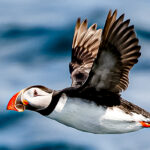
During a recent trip to Iceland, I had the unforgettable opportunity to visit a small island just off the coast near Reykjavík that serves as a protected nursery for a thriving puffin colony. As our boat approached the island, the air was filled with the constant movement of puffins flying to and from their nesting burrows. Watching these birds in their natural habitat was both fascinating and surprisingly peaceful. Although they appear somewhat awkward in flight at first glance, puffins are agile fliers, beating their wings rapidly as they skim effortlessly over the ocean’s surface before making precise landings near their nests.
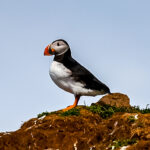
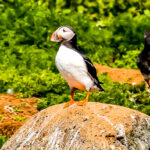
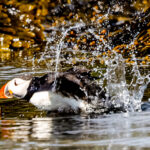
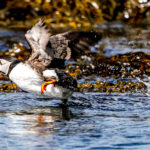
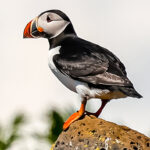
One of the highlights of the visit was photographing these remarkable birds. I was fortunate to capture wonderful images of puffins standing proudly near their burrows, carrying fish back to their chicks, and soaring gracefully around the island. Their expressive faces and colorful beaks made every photograph unique, while the dramatic Icelandic landscape provided a breathtaking backdrop. Observing the puffins so closely gave me a deeper appreciation for the importance of protecting their breeding grounds and the fragile marine ecosystem on which they depend.
My visit to Iceland’s puffin colony was one of the most memorable experiences of the journey. The combination of stunning scenery, abundant wildlife, and the opportunity to witness these charismatic seabirds in their natural environment created lasting memories and photographs that I will treasure for years to come.
Los frailecillos de Islandia
Por el Dr. Martin Aróstegui
Pocas aves cautivan tanto la imaginación de los visitantes de Islandia como el frailecillo atlántico. Con su característico plumaje blanco y negro, su pico de colores vivos y su aspecto casi cómico, el frailecillo se ha convertido en uno de los símbolos de la fauna más queridos del país. Cada primavera y verano, millones de estas extraordinarias aves marinas regresan desde mar abierto para anidar en los escarpados acantilados e islas costeras de Islandia, convirtiendo al país en el hogar de aproximadamente el sesenta por ciento de la población mundial de frailecillos atlánticos.
Los frailecillos son aves marinas excepcionales que pasan la mayor parte de su vida en el mar y solo pisan tierra firme para reproducirse. Excavan madrigueras en laderas cubiertas de hierba o anidan en grietas rocosas, donde crían a un único polluelo, conocido cariñosamente en inglés como *puffling*. Ambos progenitores comparten la responsabilidad de incubar el huevo y alimentar a la cría en crecimiento. Su dieta se compone principalmente de peces pequeños, como el lanzón y el capelán, y son famosos por su capacidad para transportar varios peces atravesados en sus coloridos picos durante una sola expedición de caza.
Durante un viaje reciente a Islandia, tuve la oportunidad inolvidable de visitar una pequeña isla cercana a la costa de Reikiavik que sirve como zona de cría protegida para una próspera colonia de frailecillos. A medida que nuestra embarcación se acercaba a la isla, el aire se llenaba del constante movimiento de frailecillos que volaban hacia sus madrigueras y regresaban de ellas. Observar a estas aves en su hábitat natural resultó fascinante y sorprendentemente apacible. Aunque a primera vista parecen algo torpes en el aire, los frailecillos son voladores ágiles; baten sus alas rápidamente mientras planean sin esfuerzo sobre la superficie del océano antes de realizar aterrizajes precisos cerca de sus nidos.
Uno de los momentos más destacados de la visita fue fotografiar a estas extraordinarias aves. Tuve la suerte de captar imágenes maravillosas de frailecillos erguidos con orgullo cerca de sus madrigueras, llevando peces a sus crías y planeando con elegancia alrededor de la isla. Sus rostros expresivos y sus coloridos picos hacían única cada fotografía, mientras que el espectacular paisaje islandés ofrecía un telón de fondo impresionante. Observar a los frailecillos tan de cerca me permitió valorar más profundamente la importancia de proteger sus zonas de cría y el frágil ecosistema marino del que dependen.
Mi visita a la colonia de frailecillos de Islandia fue una de las experiencias más memorables del viaje. La combinación de paisajes impresionantes, abundante vida silvestre y la oportunidad de observar a estas carismáticas aves marinas en su entorno natural dio lugar a recuerdos imborrables y fotografías que atesoraré durante años.