By Dr. Martin Aróstegui
Some of my happiest childhood memories are of the circus coming to Havana. Like countless young boys, I could hardly wait for the enormous tent to go up. While the acrobats and clowns were entertaining, it was always the elephants that captured my imagination. They seemed larger than life, gentle despite their immense size, and almost mysterious. As I watched them circle the ring, I never dreamed that decades later I would stand among wild elephants in Africa, seeing them as they were meant to live.
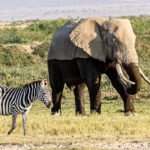
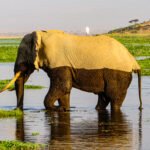
Life has a wonderful way of coming full circle. Over the years, I have been fortunate enough to visit Africa on five separate safaris. Every trip offered unforgettable encounters with spectacular wildlife—lions resting beneath acacia trees, leopards hidden in the branches of ancient trees, and cheetahs racing across the plains. Yet, no matter how many remarkable animals I encountered, I always found myself drawn back to the elephants.
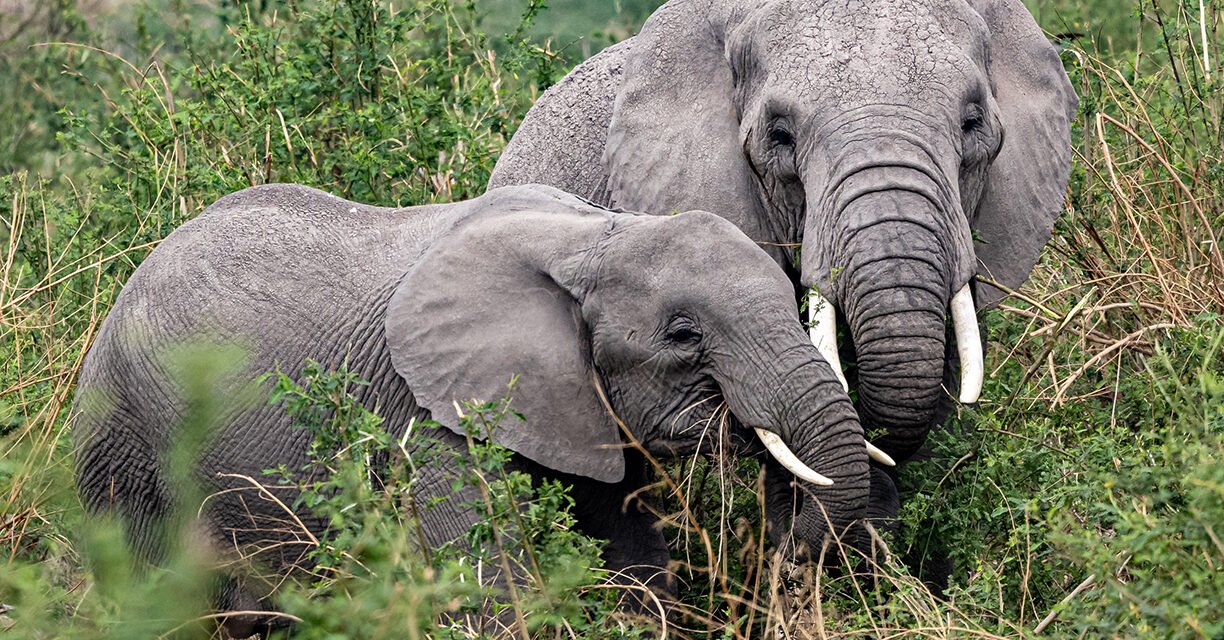
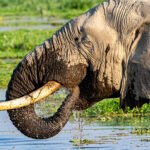
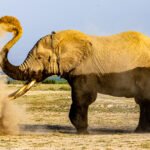
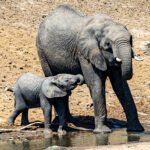
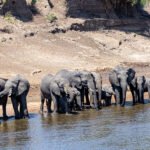
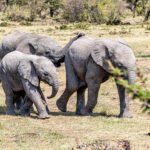
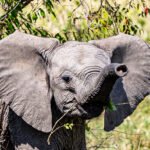
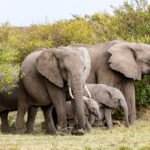
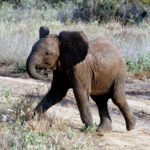
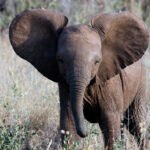
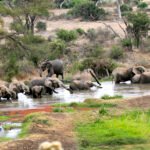
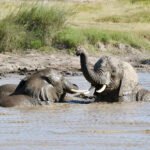
There is something deeply moving about watching an elephant family. Led by an experienced matriarch, the herd moves across the savannah with quiet purpose. The adults remain constantly aware of one another, while the youngsters transform the journey into a playground. I spent hours photographing tiny calves trying to keep pace with their mothers, occasionally disappearing beneath them for reassurance before bounding off again with youthful confidence. Those photographs remain among my favorites because they capture more than wildlife—they capture family.
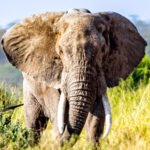
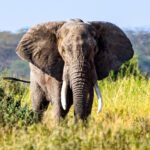
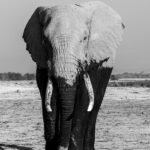
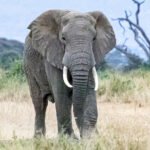
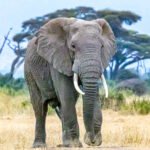
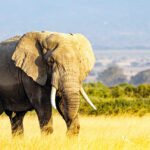
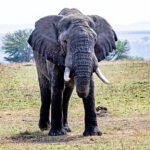
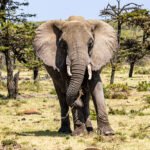
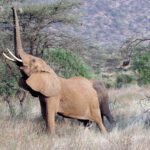
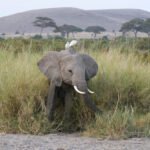
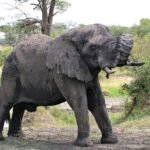
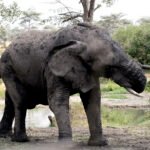
The old bull elephants fascinated me just as much. Often traveling alone, they seemed to carry the wisdom of countless seasons. Their scarred faces, weathered tusks, and deliberate movements spoke of lives filled with droughts, migrations, and battles that no human could fully imagine. Looking into their eyes through my camera lens, I often felt as though I was looking at an ancient survivor.
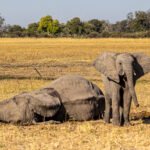
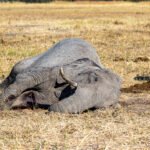
One encounter, however, remains etched in my memory more vividly than any other. During one safari, I witnessed the death of a mother elephant. It was a heartbreaking moment, made even more painful by the sight of her young calf, suddenly left without the protection and guidance that every elephant depends upon. As we watched in silence, something remarkable happened. The other females in the herd gathered around the orphan. They gently encouraged it to move with them, surrounding it with the same protective circle that its mother had provided only moments before. It was impossible not to recognize the compassion and responsibility displayed by the family. In that moment, the line separating human emotion from animal behavior seemed remarkably thin.
Experiences like these have changed the way I see elephants. They are not simply the largest land mammals on Earth; they are intelligent, emotional beings with intricate family relationships and extraordinary memories. Watching them in the wild has taught me that strength is measured not only by size but also by loyalty, cooperation, and the willingness to care for one another.
Sadly, these magnificent animals face an uncertain future. Expanding human populations continue to consume the habitats elephants have used for centuries, forcing them into dangerous encounters with villages and farmland. Poaching for ivory, although reduced in some areas, continues to rob Africa of its oldest and most magnificent elephants. Climate change is making life even harder, as prolonged droughts dry up waterholes and force herds to travel ever greater distances in search of food and water.
Yet there is also hope. During each of my visits, I met dedicated guides, park rangers, researchers, and local people who have devoted their lives to protecting these gentle giants. Their commitment reminds me that conservation is ultimately about people as much as wildlife. The future of the African elephant depends upon our willingness to preserve not only the animals themselves but also the landscapes they call home.
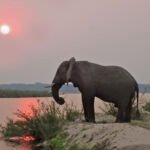
Whenever I look through my collection of safari photographs, I find myself lingering over the images of elephants. They remind me of a journey that began with the wide-eyed wonder of a little Cuban boy sitting beneath a circus tent and has continued across the vast plains of Africa. Today, I no longer admire elephants because they are enormous or exotic. I admire them because they have taught me lessons about family, resilience, compassion, and the fragile beauty of the natural world. I can only hope that future generations will have the same privilege of watching these magnificent giants roam free beneath the African sky.
Los gigantes de la sabana africana
Por el Dr. Martin Aróstegui
Algunos de mis recuerdos más felices de la infancia tienen que ver con la llegada del circo a La Habana. Al igual que a innumerables niños, me costaba contener la impaciencia por ver cómo se alzaba la enorme carpa. Aunque los acróbatas y payasos resultaban entretenidos, siempre eran los elefantes los que cautivaban mi imaginación. Parecían seres colosales, gentiles a pesar de su inmenso tamaño y casi misteriosos. Mientras los observaba dar vueltas por la pista, jamás imaginé que, décadas más tarde, me encontraría entre elefantes salvajes en África, viéndolos vivir tal como estaba previsto en la naturaleza.
La vida tiene una forma maravillosa de cerrar el círculo. A lo largo de los años, he tenido la fortuna de visitar África en cinco safaris distintos. Cada viaje brindó encuentros inolvidables con una fauna espectacular: leones descansando bajo las acacias, leopardos ocultos entre las ramas de árboles centenarios y guepardos corriendo a toda velocidad por las llanuras. Sin embargo, por muchos animales extraordinarios que encontrara, siempre terminaba sintiéndome atraído de nuevo por los elefantes.
Hay algo profundamente conmovedor en observar a una familia de elefantes. Guiada por una matriarca experimentada, la manada se desplaza por la sabana con un propósito sereno. Los adultos permanecen siempre atentos unos a otros, mientras los más jóvenes convierten el trayecto en un patio de juegos. Pasé horas fotografiando a las crías diminutas que intentaban seguir el ritmo de sus madres; a veces desaparecían bajo ellas en busca de seguridad, para luego salir brincando de nuevo con la confianza propia de la juventud. Esas fotografías siguen siendo de mis favoritas porque capturan algo más que vida silvestre: capturan la esencia de la familia.
Los viejos elefantes macho también me fascinaban enormemente. A menudo solitarios, parecían portar la sabiduría de incontables estaciones. Sus rostros marcados por cicatrices, sus colmillos desgastados por el tiempo y sus movimientos pausados y deliberados hablaban de vidas llenas de sequías, migraciones y batallas que ningún ser humano podría imaginar por completo. Al mirar sus ojos a través del objetivo de mi cámara, a menudo sentía que contemplaba a un antiguo superviviente.
Sin embargo, hay un encuentro que permanece grabado en mi memoria con mayor viveza que cualquier otro. Durante un safari, fui testigo de la muerte de una elefanta. Fue un momento desgarrador, hecho aún más doloroso al ver a su pequeña cría, que de repente se quedaba sin la protección y la guía de las que depende todo elefante. Mientras observábamos en silencio, sucedió algo extraordinario: las otras hembras de la manada se congregaron alrededor de la cría huérfana. Lo animaron suavemente a moverse con ellos, rodeándolo con el mismo círculo protector que su madre le había brindado apenas unos instantes antes. Era imposible no reconocer la compasión y el sentido de responsabilidad que demostraba la familia. En ese momento, la línea que separa la emoción humana del comportamiento animal parecía notablemente tenue.
Experiencias como estas han transformado mi manera de ver a los elefantes. No son simplemente los mamíferos terrestres más grandes de la Tierra; son seres inteligentes y emocionales, con complejas relaciones familiares y una memoria extraordinaria. Observarlos en libertad me ha enseñado que la fortaleza no se mide solo por el tamaño, sino también por la lealtad, la cooperación y la disposición a cuidarse mutuamente.
Lamentablemente, estos magníficos animales se enfrentan a un futuro incierto. La expansión de la población humana sigue consumiendo los hábitats que los elefantes han utilizado durante siglos, obligándolos a protagonizar encuentros peligrosos con aldeas y tierras de cultivo. La caza furtiva de marfil, aunque ha disminuido en algunas zonas, sigue privando a África de sus elefantes más antiguos y majestuosos. El cambio climático dificulta aún más su existencia, ya que las sequías prolongadas agotan las fuentes de agua y obligan a las manadas a recorrer distancias cada vez mayores en busca de alimento y agua.
Sin embargo, también hay esperanza. En cada una de mis visitas, he conocido a guías, guardaparques, investigadores y habitantes locales dedicados que han consagrado sus vidas a proteger a estos gentiles gigantes. Su compromiso me recuerda que la conservación depende, en última instancia, tanto de las personas como de la vida silvestre. El futuro del elefante africano depende de nuestra voluntad de preservar no solo a los animales en sí, sino también los paisajes que consideran su hogar.
Siempre que reviso mi colección de fotografías de safari, me detengo especialmente en las imágenes de elefantes. Me recuerdan un viaje que comenzó con el asombro y los ojos muy abiertos de un niño cubano sentado bajo la carpa de un circo, y que ha continuado a través de las vastas llanuras de África. Hoy en día, ya no admiro a los elefantes por ser enormes o exóticos; los admiro porque me han enseñado lecciones sobre la familia, la resiliencia, la compasión y la frágil belleza del mundo natural. Solo cabe esperar que las generaciones futuras tengan el mismo privilegio de ver a estos magníficos gigantes vagar en libertad bajo el cielo africano.