By Dr. Martin Aróstegui
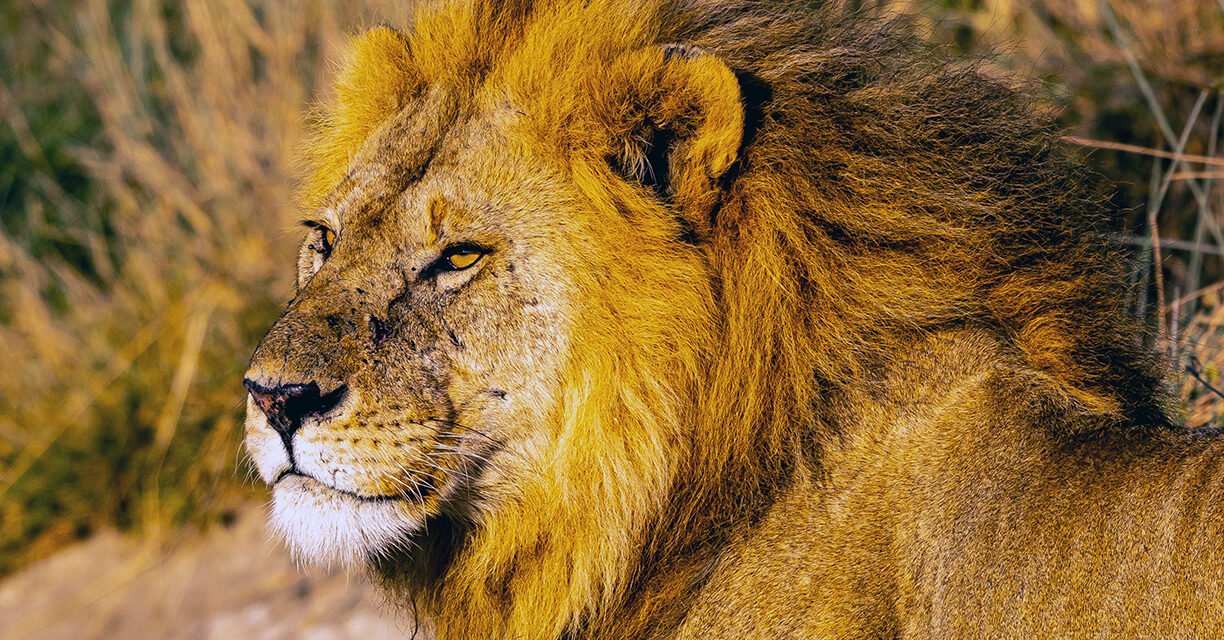
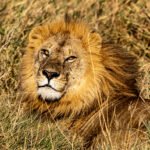
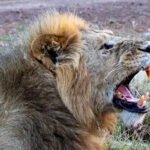
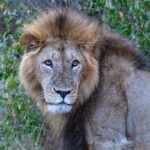
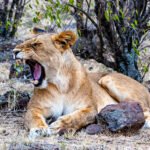
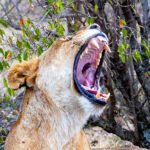
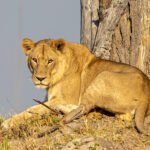
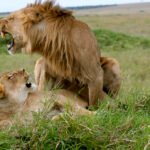
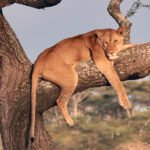
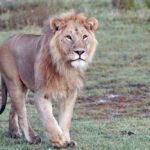
Of all the animals I have encountered during my many journeys to Africa, few have left a deeper impression on me than the African lion. On every visit to the continent, I have sought them out, watched them, and photographed them. I have witnessed their strength, their tenderness, their family bonds, and, at times, the harsh realities of their existence. The more I have observed lions, the more I have come to understand that beneath their image as the undisputed kings of the savanna lies a life filled with danger and uncertainty.
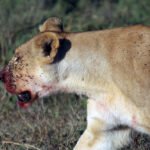
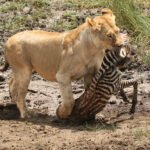
For a lion, survival is rarely easy. Every hunt is a gamble. A charging buffalo, a struggling wildebeest, or even a zebra can inflict devastating injuries on a predator that depends upon its body to survive. I have watched lions approach a potential meal with a mixture of patience and determination, knowing that the next few minutes could mean the difference between feeding and going hungry—or between life and death.
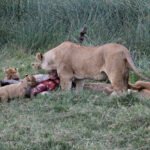
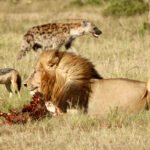
Even after a successful hunt, the struggle may not be over. Hyenas, often arriving in numbers, can challenge lions for their hard-earned meal. I have seen the tension surrounding a kill as lions defend their food from these persistent competitors. Sometimes the lions prevail; sometimes they are forced to retreat. It is a powerful reminder that life on the African plains is governed by an unforgiving equation: energy spent, energy gained, and the constant risk of injury.
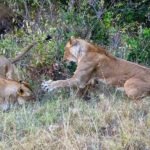
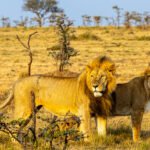
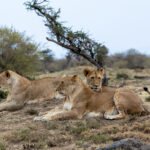
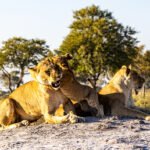
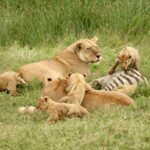
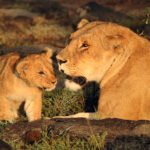
Yet it is the family life of lions that has fascinated me most. Pride members cooperate in raising cubs, defending their territory, and caring for one another. Watching cubs play around their mothers, seeing adults groom each other, or observing a pride resting together has given me a glimpse of a remarkably social animal. These moments have been among the most rewarding subjects I have ever photographed.
But the greatest threat to the lion today does not come from hyenas or buffalo. It comes from us.
Across Africa, lions face shrinking habitat, declining prey populations, conflict with livestock owners, retaliatory killings, and illegal hunting. As human populations expand, the wild spaces available to lions become increasingly fragmented. A lion that moves beyond a protected area may encounter livestock—and a farmer who sees that lion not as a magnificent symbol of Africa, but as a threat to his livelihood.
This is why lion conservation must extend beyond protecting the animals themselves. We must protect the ecosystems that sustain them and, equally important, find ways for local communities to benefit from living alongside wildlife. Effective conservation requires protected habitats, healthy prey populations, responsible tourism, education, and programs that reduce conflict between lions and people.
After photographing lions on all of my visits to Africa, I have come to see them as more than magnificent subjects for my camera. They represent the resilience and fragility of the African wilderness itself. Their future will depend upon whether we can preserve enough wild country for them to hunt, raise their cubs, and live as they have for thousands of years.
The lion may still appear to be the king of the savanna, but its kingdom is shrinking. Ensuring that future generations can experience the sight of a pride resting beneath an African sunset is not simply a responsibility to the lion. It is a responsibility to Africa—and to ourselves.
El león: una vida de coraje y supervivencia
Por el Dr. Martin Aróstegui
De todos los animales con los que me he encontrado durante mis numerosos viajes a África, pocos me han dejado una huella tan profunda como el león africano. En cada visita al continente, los he buscado, observado y fotografiado. He sido testigo de su fuerza, su ternura, sus vínculos familiares y, a veces, de las duras realidades de su existencia. Cuanto más he observado a los leones, más he comprendido que, tras su imagen de reyes indiscutibles de la sabana, se esconde una vida llena de peligros e incertidumbre.
Para un león, la supervivencia rara vez es fácil. Cada cacería es una apuesta arriesgada. La embestida de un búfalo, la resistencia de un ñu (wildebeest, mamífero rumiante de África que pertenece a la familia de los bovinos) o incluso una cebra pueden infligir heridas devastadoras a un depredador que depende de su propio cuerpo para sobrevivir. He visto a leones acercarse a una presa potencial con una mezcla de paciencia y determinación, sabiendo que los minutos siguientes podrían marcar la diferencia entre alimentarse y pasar hambre, o entre la vida y la muerte.
Incluso después de una cacería exitosa, la lucha puede no haber terminado. Las hienas, que a menudo llegan en gran número, pueden disputar a los leones su presa recién capturada. He presenciado la tensión que rodea a una presa abatida mientras los leones defienden su alimento frente a estos competidores tenaces. A veces los leones se imponen; otras veces se ven obligados a retirarse. Es un recordatorio contundente de que la vida en las llanuras africanas se rige por una ecuación implacable: energía gastada, energía ganada y el riesgo constante de sufrir lesiones.
Sin embargo, lo que más me ha fascinado es la vida familiar de los leones. Los miembros de la manada cooperan en la crianza de los cachorros, la defensa del territorio y el cuidado mutuo. Ver a los cachorros jugar cerca de sus madres, observar a los adultos acicalarse unos a otros o contemplar a la manada descansando en grupo me ha permitido descubrir a un animal extraordinariamente sociable. Estos momentos han sido algunos de los temas más gratificantes que he fotografiado jamás.
Pero la mayor amenaza para el león hoy en día no proviene de las hienas ni de los búfalos. Proviene de nosotros.
En toda África, los leones se enfrentan a la reducción de su hábitat, al descenso de las poblaciones de presas, a conflictos con ganaderos, a matanzas por represalia y a la caza ilegal. A medida que la población humana se expande, los espacios silvestres disponibles para los leones quedan cada vez más fragmentados. Un león que se desplaza más allá de un área protegida puede encontrarse con ganado, y con un ganadero que no ve en ese animal un magnífico símbolo de África, sino una amenaza para su sustento.
Por ello, la conservación de los leones debe ir más allá de la protección de los animales en sí. Debemos proteger los ecosistemas que los sustentan y, lo que es igualmente importante, encontrar formas de que las comunidades locales se beneficien de convivir con la fauna silvestre. Una conservación eficaz requiere hábitats protegidos, poblaciones sanas de presas, turismo responsable, educación y programas que reduzcan los conflictos entre leones y personas.
Tras fotografiar leones en todos mis viajes a África, he llegado a verlos como algo más que magníficos sujetos para mi cámara: representan la resiliencia y la fragilidad de la propia naturaleza salvaje africana. Su futuro dependerá de si logramos preservar suficiente territorio virgen para que puedan cazar, criar a sus cachorros y vivir tal como lo han hecho durante miles de años.
Puede que el león siga pareciendo el rey de la sabana, pero su reino se está reduciendo. Garantizar que las generaciones futuras puedan contemplar una manada descansando bajo un atardecer africano no es solo una responsabilidad hacia el león; es una responsabilidad hacia África, y hacia nosotros mismos.